The Cloud Has an Address. Now It Has a Place in Iran’s Threats.
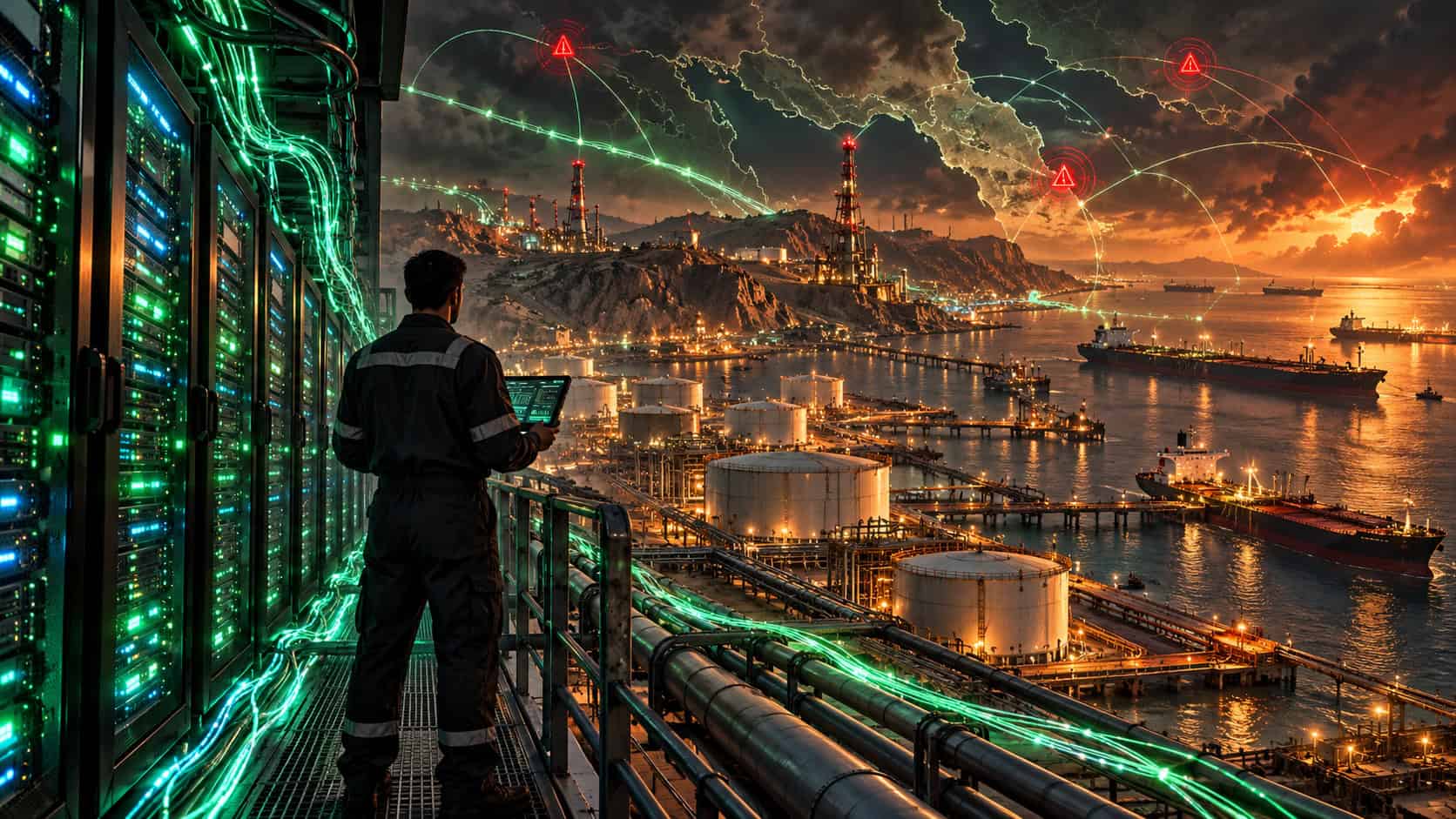
I work in a data center in Nebraska. My part of the technology industry involves actual machines: servers, cables, power supplies, cooling, and the hands-on work required to keep equipment running.
That changes how certain headlines land.
When politicians talk about artificial intelligence, they tend to describe a race for dominance. When companies talk about it, they describe the future. When you work around the hardware, you see something more concrete: equipment that needs electricity, cooling, connectivity, and people who can fix it.
So when Iran’s latest threats included data centers and cables, one detail in a distant geopolitical story suddenly felt much closer to my working day.
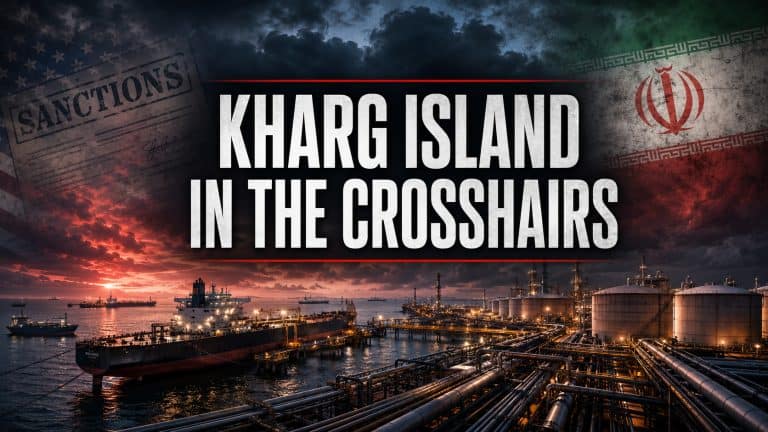
Associated Press reports that Iran has called Washington’s latest response to its proposal insufficient and threatened regional infrastructure, including data centers and cables, if fighting intensifies. That is a reported threat, rather than evidence that those facilities have been attacked. But naming them matters. apnews.com
It tells us something about how governments understand power—and how readily they threaten the systems ordinary people depend on.
Kharg Island and the machinery of dependence
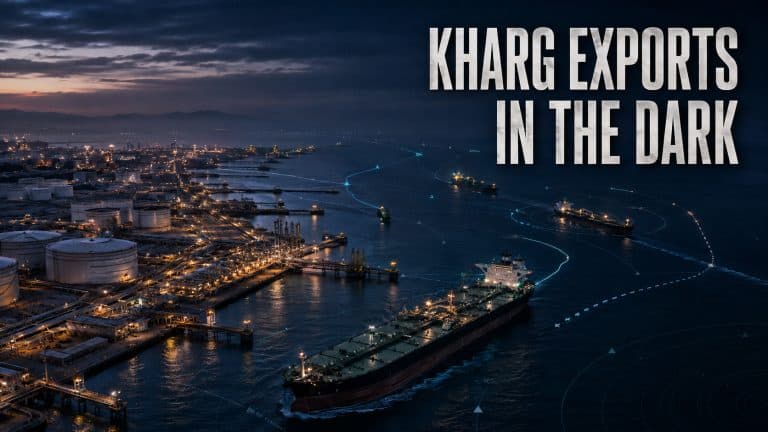
Kharg Island’s importance has always rested on a physical reality. Oil has to move through infrastructure. Storage tanks, pipelines, terminals, and ships turn a resource into something a country can sell and the world can use.
The digital economy has its own physical requirements.
We call it “the cloud,” a remarkably soothing name for an industry built from heavy equipment, substantial electrical demand, and buildings full of machines. The language encourages us to imagine that our digital lives have somehow escaped geography.
They haven’t.
Your data lives somewhere. The computing behind an online service happens somewhere. The connections between those places follow physical routes.
My reading of Iran’s threat is that digital infrastructure is being pulled into the same political logic that makes oil infrastructure so important: identify what an economy depends on, then threaten to interrupt it.
The functions differ. The principle of coercion is familiar.
A threat can do work before anything is struck
A government does not have to destroy a facility for a threat against it to have consequences.
A credible threat can complicate investment decisions, raise questions about business continuity, and force operators and customers to reconsider their exposure. Those are possible consequences, not outcomes established by this weekend’s reporting.
But they explain why the wording deserves attention.
An AI investment can be presented at a ribbon-cutting ceremony as a symbol of national ambition. In a confrontation, the same investment may become something an adversary believes it can hold at risk.
That is the uncomfortable relationship between economic development and geopolitical power. Governments encourage businesses to build valuable infrastructure, celebrate its strategic importance, and then discover that other governments have noticed its importance too.
Calling a facility strategic does not make it indestructible.
What I see from the server aisle
My work does not give me special access to Iranian intentions or American military planning. It gives me a practical appreciation for the effort behind a functioning system.
A failed component means someone has to investigate. Equipment has to be checked, repaired, or replaced. Keeping services available requires preparation and attention long before users notice a problem.
That work is easy to overlook precisely because success usually looks uneventful.
People open an application. A page loads. A task completes. Few stop to consider the equipment or the people behind it.
Reading threats against data centers brings those people back into the picture for me. Facilities have technicians, engineers, contractors, and other workers. Their working lives should not disappear beneath phrases such as “strategic assets.”
I am not suggesting that a threat against infrastructure in the Gulf means my workplace in Nebraska faces the same danger. It means I recognize the kind of work—and the human effort—that political language can reduce to a target category.
The future still needs the basics
There is something deeply revealing about threatening the infrastructure of artificial intelligence.
We are told that these systems represent an extraordinary technological future. Yet their operation still depends on fundamentals: reliable power, functioning equipment, connections, and enough security for people to do their jobs.
Political leaders can speak grandly about technological supremacy. The machines still need the lights to stay on.
Kharg Island makes that dependence visible through oil. Data centers make it visible through computing. Both remind us that the modern economy rests on physical systems that diplomacy can protect and conflict can endanger.
From where I work, that is the part of this story worth remembering.
The cloud has an address. People work there. And threatening it deserves more scrutiny than another passing line in a weekend war report.