Iran Sets Conditions for Hormuz Reopening as Kharg Island Remains Idle
Iran has raised new conditions for reopening the Strait of Hormuz, reducing expectations that normal tanker traffic could soon return to Kharg Island.
Iranian officials said over the weekend that an agreement with Oman defining new shipping lanes through the strait was nearing completion. However, Tehran maintained that the United States must end sanctions and military threats and provide compensation for damage caused during the conflict before the strategic waterway can fully reopen.
The conditions have introduced another obstacle into negotiations that could determine when Iran’s primary oil-export terminal resumes normal operations.
Kharg Island Remains Dependent on a Shipping Agreement
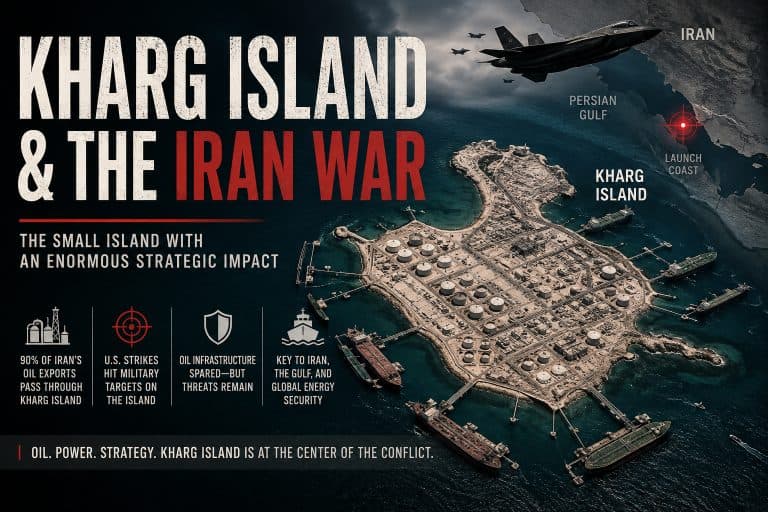
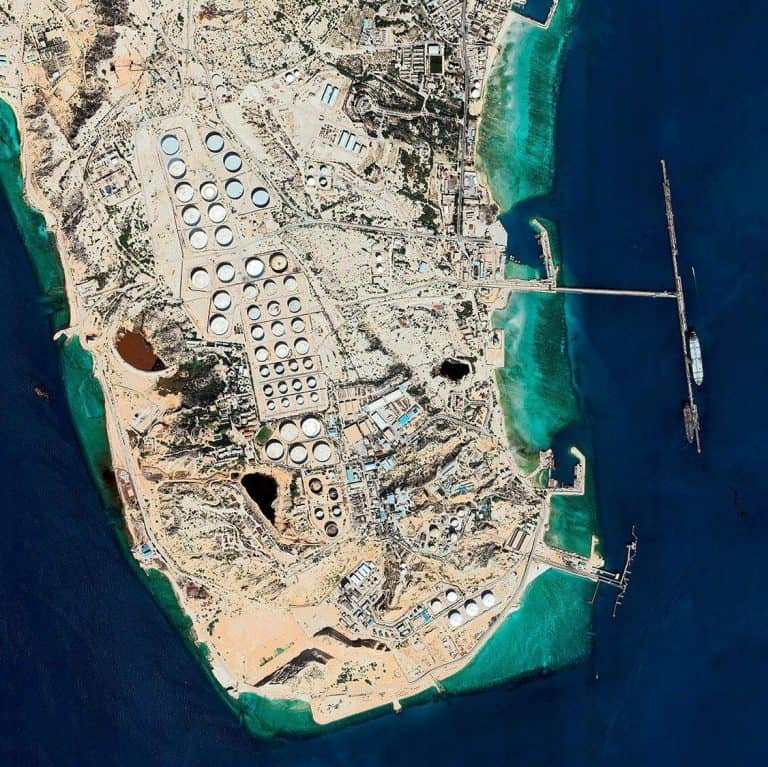
Kharg Island reportedly stopped loading crude oil on July 31. Shipping and satellite data subsequently showed its principal loading berths remaining empty for an extended period.
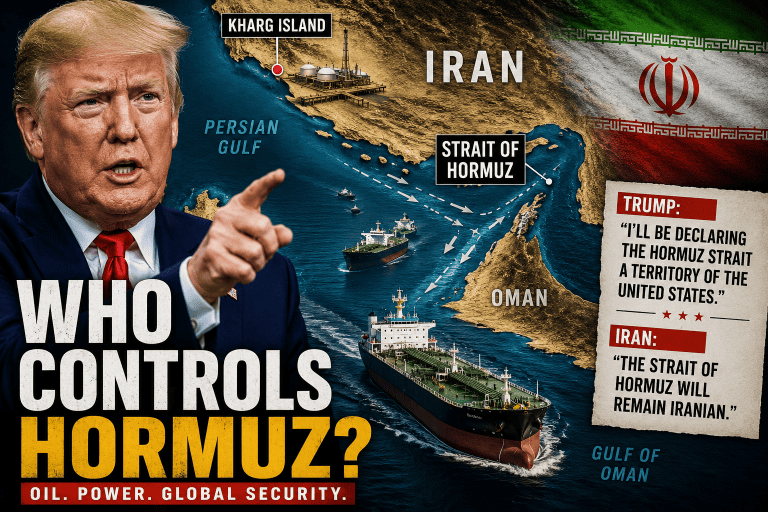
Although the island lies approximately 300 miles northwest of the Strait of Hormuz, tankers departing Kharg must pass through the narrow waterway to reach customers outside the Persian Gulf.
An agreement addressing navigation through the strait is therefore essential to restoring dependable tanker traffic at the terminal.
Kharg Island normally handles approximately 90 percent of Iran’s crude oil exports. A continuing disruption affects Iranian export revenue, available storage capacity and the country’s ability to maintain production.
Iran and Oman Discuss New Shipping Lanes
Iran and Oman have been negotiating a new arrangement governing vessel movements through the Strait of Hormuz. Both countries possess territorial waters along the passage and have discussed how inbound and outbound shipping lanes would operate.
Iran has said the geographic details of possible new routes are approaching completion. That progress does not necessarily mean commercial traffic will immediately return, however.
Tehran continues to connect reopening the strait with broader demands involving the United States. These include sanctions relief, an end to military threats and compensation for damage Iran attributes to American and Israeli operations.
Iranian Foreign Minister Abbas Araghchi has also said Iran is not presently engaged in direct negotiations with Washington.
Compensation Demands Add Another Dispute
The compensation issue became more contentious on August 10 when U.S. President Donald Trump responded by demanding that Iran compensate people killed or seriously wounded in actions he attributed to the country.
The competing demands indicate that the disagreement now extends beyond the physical location of shipping lanes. Any lasting arrangement may also depend on resolving—or setting aside—larger political and financial disputes between Tehran and Washington.
Without that progress, Kharg Island could remain unable to conduct regular export operations even if Iran and Oman agree on the technical boundaries of new maritime routes.
Oil Markets Respond to the Uncertainty
Oil markets reacted to the reduced optimism surrounding the negotiations. Brent crude rose by more than 2 percent during trading on August 10 as investors reconsidered the likelihood of a rapid reopening.
Earlier expectations of an agreement had contributed to falling oil prices during the previous week. Iran’s conditions renewed concerns about prolonged restrictions on energy shipments from the Persian Gulf.
The market reaction demonstrates how developments involving the Strait of Hormuz and Kharg Island can affect global energy prices even before physical oil supplies change.
What Happens Next
The immediate question is whether Iran and Oman can finalize the proposed shipping lanes while broader negotiations continue.
A technical agreement could establish the route tankers would eventually use, but it may not be enough to restore traffic if sanctions, the naval blockade and security concerns remain unresolved.
For Kharg Island, the difference is significant. Its terminals, storage tanks and pipelines may be capable of handling exports, but the facility cannot operate normally without tankers being able to arrive, load and safely leave the Persian Gulf.
Until the political conditions surrounding the Strait of Hormuz are resolved, the empty berths at Kharg Island are likely to remain one of the clearest signs of the continuing disruption to Iranian oil exports.
This report reflects information available as of August 10, 2026.