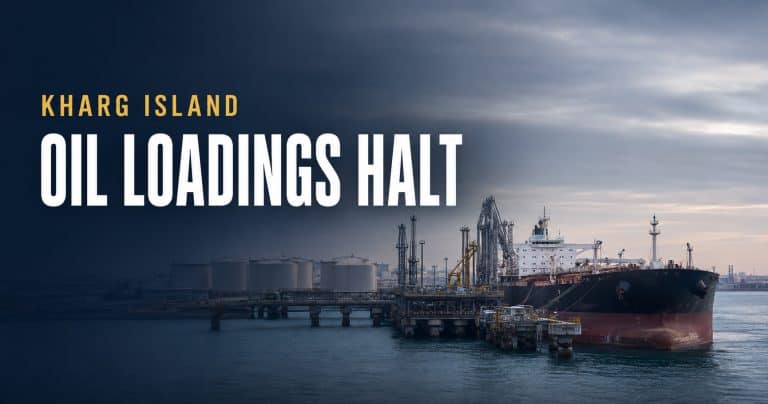
Why Kharg Island Remains at the Center of the Iran War
August 10, 2026
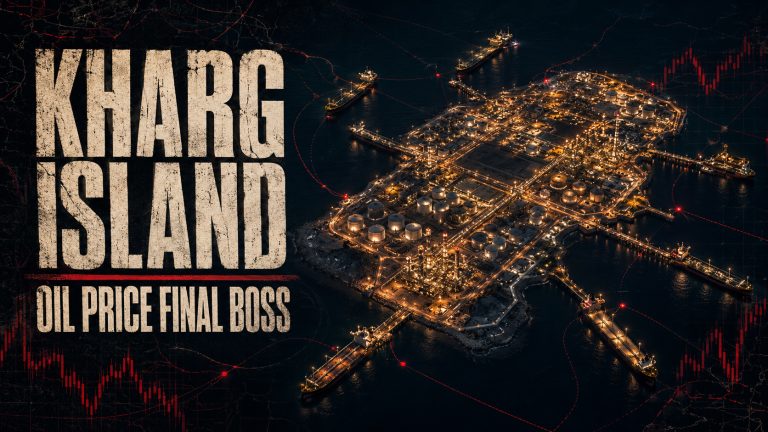
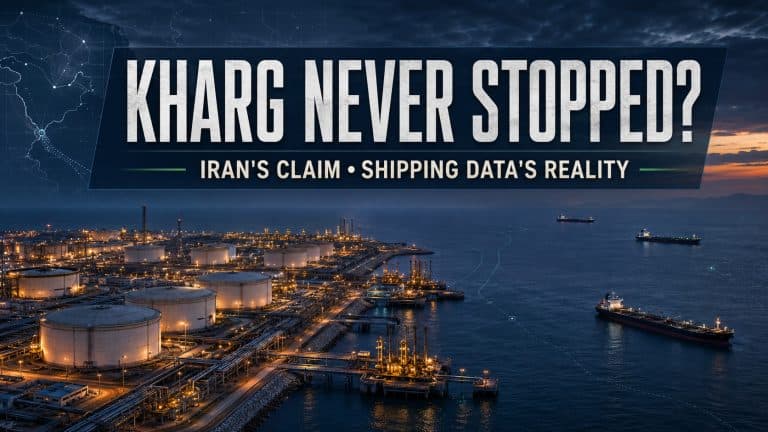
Kharg Island has long been known as the heart of Iran’s oil-export infrastructure. In 2026, however, the small Persian Gulf island has taken on another role: it has become one of the most strategically important locations in the conflict involving Iran and the United States.
Military strikes, threats against Iran’s energy infrastructure, disruption to shipping through the Strait of Hormuz, and discussion of a possible seizure of Kharg Island have transformed the island from an important oil terminal into a major geopolitical pressure point.
Understanding why Kharg Island matters helps explain a much larger question surrounding the conflict: how far can military and economic pressure on Iran escalate before the consequences spread throughout the global energy system?
Kharg Island’s Role in the Conflict
Kharg Island entered the conflict almost immediately because of its extraordinary importance to Iran.
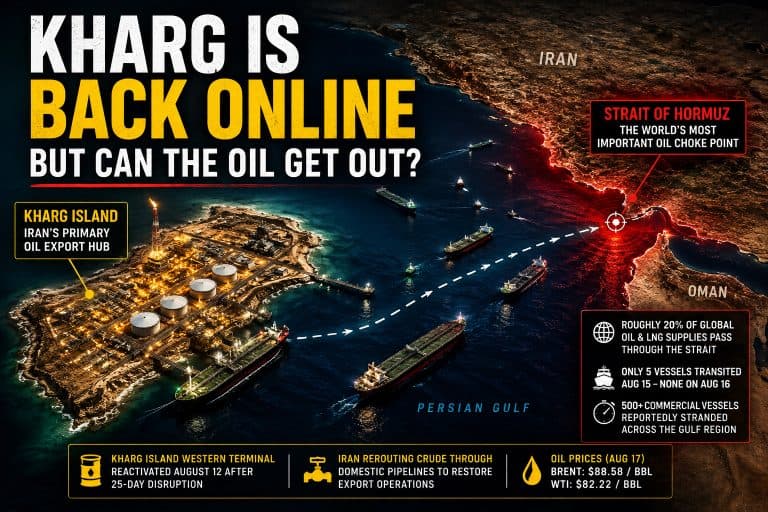
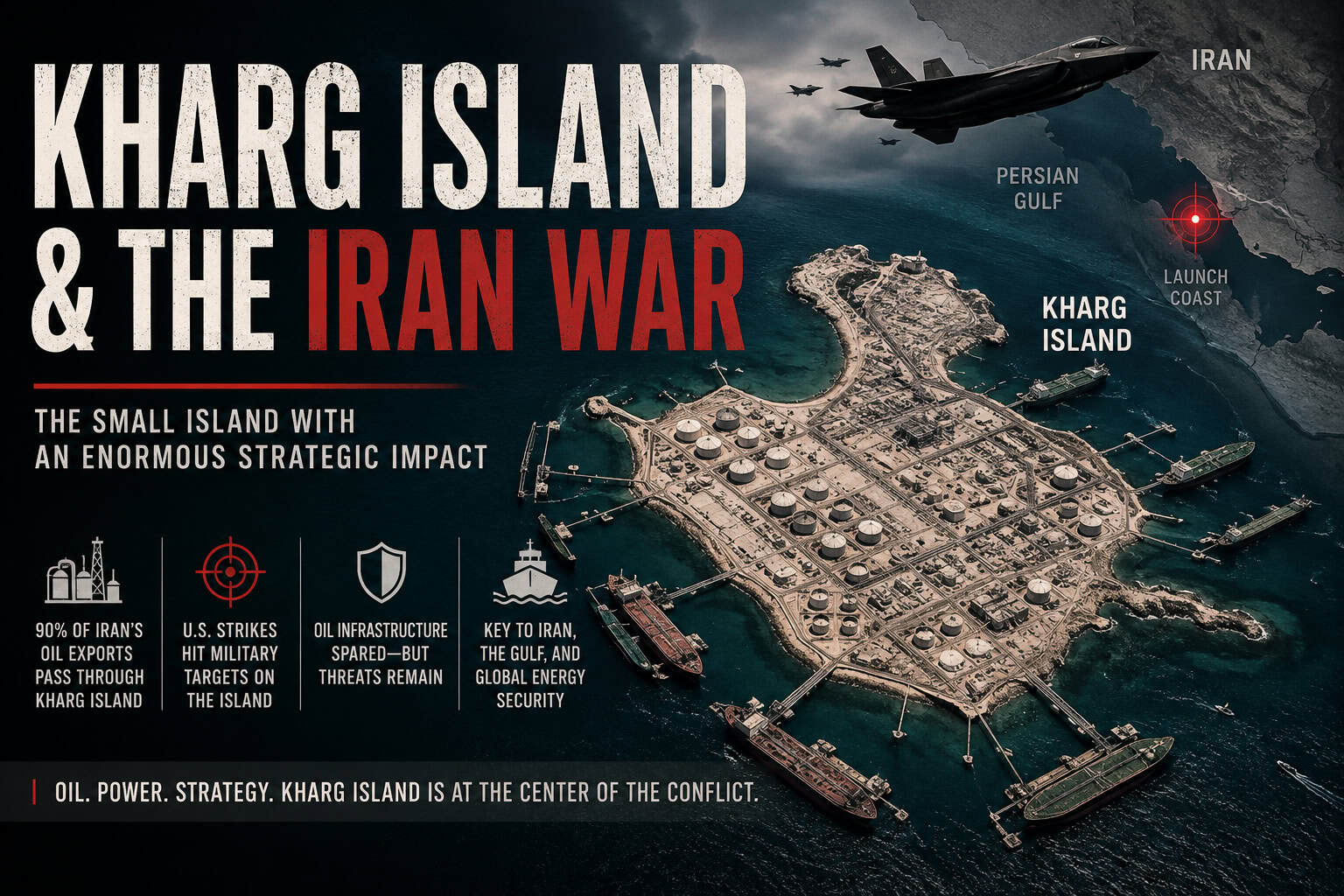
Before the war began on February 28, approximately 90 percent of Iran’s crude oil exports were handled through Kharg Island. That concentration makes the island exceptionally important to the Iranian economy.
But Kharg is more than an oil terminal.
Military facilities are also located on the island, creating a difficult distinction between Kharg’s military importance and its civilian and economic infrastructure.
That distinction became particularly important when U.S. forces attacked military targets on Kharg Island during the conflict.
U.S. Forces Target Kharg Island
In March 2026, U.S. forces carried out major strikes against Iranian military installations on Kharg Island.
U.S. Central Command said more than 90 military targets on the island were struck, including missile facilities, naval mine storage sites and other military infrastructure.
One detail immediately attracted international attention:
Kharg Island’s oil infrastructure was deliberately left intact.
The decision demonstrated the unusual strategic position occupied by the island.
Destroying military installations could weaken Iran’s ability to operate in the Persian Gulf. Destroying Kharg’s oil terminals, however, could have consequences extending far beyond Iran.
Damage to the export facilities could remove significant amounts of Iranian crude from the world market while potentially triggering Iranian retaliation against energy infrastructure elsewhere in the region.
For that reason, Kharg Island has become both a target and something that military planners have reason to avoid destroying.
Why Kharg Island Is So Important
Kharg Island sits approximately 25 kilometers off Iran’s coast in the northern Persian Gulf.
Its location allows crude oil transported from Iranian fields to be stored, processed and transferred onto large tankers for export.
For decades, this infrastructure has made Kharg the primary gateway between Iran’s enormous petroleum reserves and international markets.
Before the current conflict, roughly nine out of every ten barrels of Iranian crude exported by sea passed through Kharg Island.
That means events on an island measuring only a few miles across can influence Iran’s economy, international shipping and global oil prices.
It also explains why Kharg has repeatedly appeared in discussions about how the United States could increase pressure on Tehran.
Could the United States Seize Kharg Island?
One of the most dramatic developments of the conflict has been open discussion of a possible U.S. takeover of Kharg Island.
President Donald Trump has repeatedly raised the possibility of taking control of the island, while reports have indicated that such an operation has been considered as a way of increasing economic pressure on Iran.
Seizing Kharg could theoretically give the United States enormous leverage.
Controlling the island would threaten Iran’s ability to export crude through its most important terminal without necessarily requiring the destruction of the infrastructure itself.
But capturing an island and holding it are very different military problems.
Analysts have warned that U.S. forces occupying Kharg could face Iranian missiles, drones, naval mines and other attacks from the nearby mainland.
Iran could also retaliate elsewhere in the Persian Gulf.
As a result, an operation against Kharg Island could significantly expand the conflict rather than bring it closer to an end.
Kharg Island and the Strait of Hormuz
Kharg Island’s importance becomes even clearer when viewed alongside the Strait of Hormuz.
The two locations represent different forms of energy leverage.
Kharg Island is Iran’s gateway for exporting much of its own crude oil.
The Strait of Hormuz is a gateway for energy exports from across the Persian Gulf.
Before the conflict, approximately one-fifth of global oil and liquefied natural gas shipments moved through the Strait of Hormuz.
Iran’s ability to disrupt traffic through the strait therefore affects far more than Iranian exports.
This creates a dangerous strategic equation.
Pressure against Kharg can threaten Iran’s ability to sell oil.
Pressure against Hormuz can threaten the ability of other Persian Gulf producers to move their energy supplies to world markets.
Both have become central pieces of leverage during the conflict.
The Conflict Has Reached Kharg Without Destroying Its Oil Terminals
Perhaps the most remarkable part of Kharg Island’s role in the war is what has not happened.
Despite military attacks on the island and repeated threats involving its petroleum infrastructure, Kharg’s major oil-export facilities have largely survived the conflict.
That appears to reflect the enormous economic consequences that could follow their destruction.
The island reportedly possesses tens of millions of barrels of oil-storage capacity and infrastructure capable of handling enormous volumes of crude.
A large-scale attack on those facilities could create immediate environmental, economic and military consequences.
For now, the struggle surrounding Kharg has focused heavily on controlling or restricting its usefulness rather than simply destroying it.
Kharg Island Remains a Powerful Bargaining Chip
The latest diplomatic struggle over the Strait of Hormuz reinforces Kharg Island’s importance.
Iran and Oman have been discussing arrangements that could eventually establish shipping routes through the strait. Tehran, however, has said reopening the waterway depends on broader concessions from Washington.
Iranian demands reportedly include lifting sanctions, ending the U.S. blockade and military threats, compensation related to earlier attacks and the release of frozen Iranian assets.
That puts Kharg Island directly inside the larger economic struggle.
The island’s terminals may still exist, but their value depends on tankers being able to load Iranian crude and move it safely through the Persian Gulf.
An oil terminal without reliable access to international shipping becomes far less useful.
Why the World Is Watching Kharg Island
Kharg Island occupies an unusual position in the 2026 conflict.
It is simultaneously:
- Iran’s most important crude-oil export hub
- A location containing Iranian military infrastructure
- A potential target for further U.S. military action
- A possible objective in discussions of a U.S. seizure
- A major source of economic leverage against Tehran
- A potential trigger for wider disruption to global energy markets
Few locations demonstrate the connection between military power and energy security as clearly as Kharg Island.
A battle over the island would not simply be a battle over territory.
It would be a battle over one of Iran’s most important economic lifelines.
What Happens Next?
Kharg Island will remain one of the locations to watch as the conflict continues.
Future negotiations involving the Strait of Hormuz, the U.S. blockade, Iranian oil exports and sanctions could determine whether Kharg gradually returns to normal operations or becomes the focus of another escalation.
The possibility of additional military action also remains impossible to dismiss.
What happens next may depend less on the physical size of Kharg Island than on the enormous strategic value concentrated upon it.
For an island only a few miles across, Kharg continues to cast an exceptionally large shadow over the Persian Gulf.
KhargIsland.net will continue following developments involving Kharg Island, Iranian oil exports, the Strait of Hormuz and the wider conflict as new information becomes available.