Trump’s Fake Kharg Island Attack Video Wasn’t a Mistake—It Was a Warning
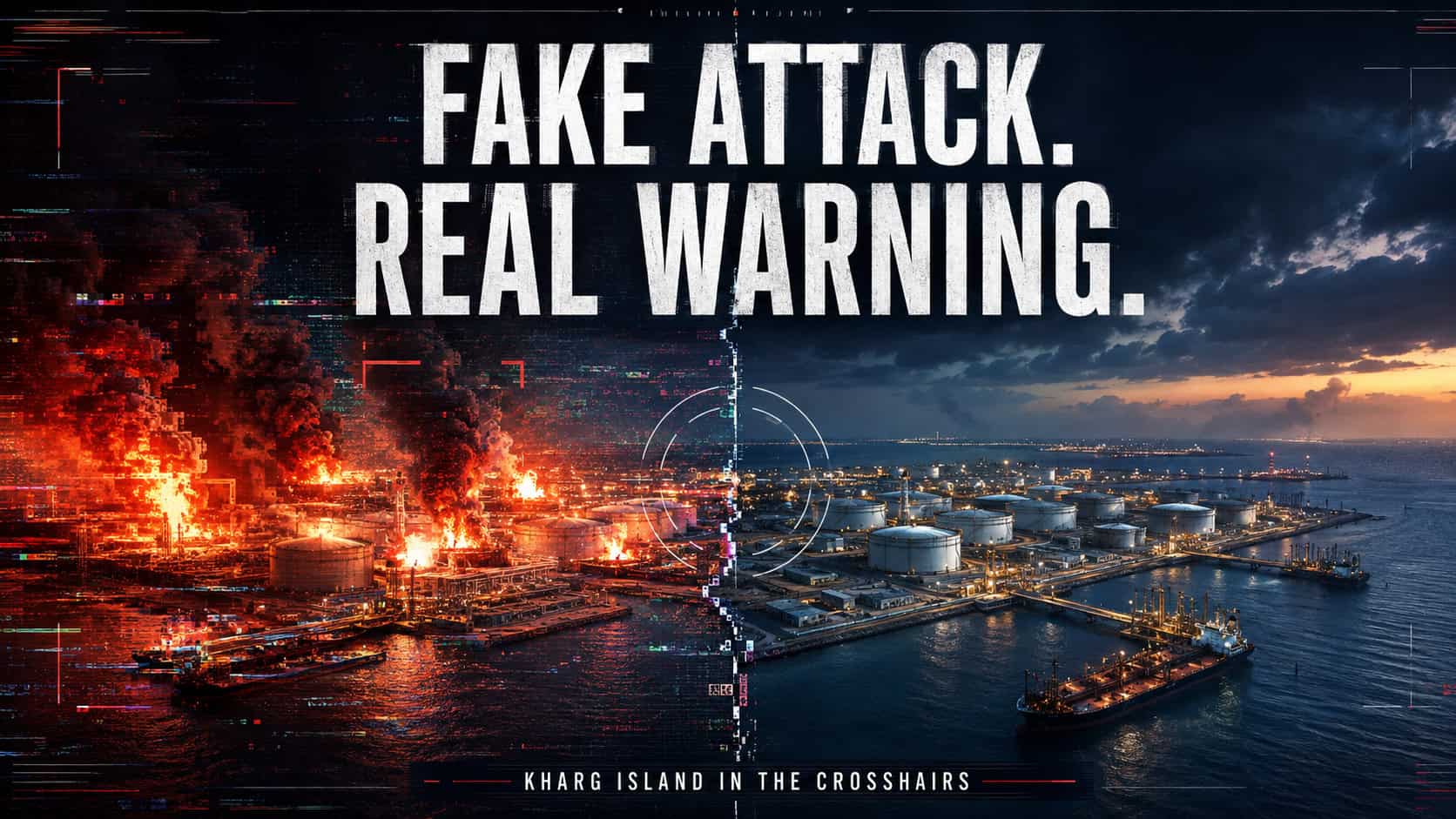
President Donald Trump ignited fresh fears over Iran’s most important oil-export hub after sharing an AI-generated video that appeared to show Kharg Island engulfed in explosions.
The dramatic footage was accompanied by an equally dramatic declaration: “Kharg Island being blown to smithereens.”
But Kharg Island was not being destroyed.
U.S. officials subsequently confirmed that American forces had not attacked the island during the latest exchange of fire with Iran. Vice President JD Vance later characterized Trump’s post as a message directed at Tehran—not an announcement of a real military operation.
That distinction matters. The video may have been artificial, but the threat behind it was unmistakably real.
Iran Says Kharg Island Remains Operational
Hamid Bovard, chief executive of the state-run National Iranian Oil Company, dismissed Trump’s video as “laughable” and said conditions on Kharg Island remained calm.
According to Iranian reporting, oil operations on the island have continued while crews repair and modernize previously damaged storage facilities and loading jetties.
These claims have not been independently verified in full. Nevertheless, neither the Pentagon nor independent reporting has produced evidence that Kharg Island’s petroleum infrastructure was struck during the latest confrontation.
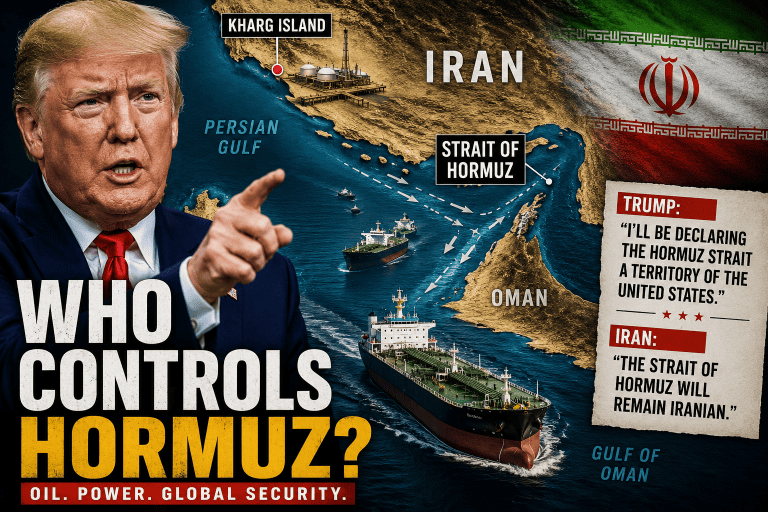
The actual American operation took place approximately 410 miles east of Kharg, on Iran’s Larak Island near the Strait of Hormuz.
U.S. Central Command said American forces conducted a limited strike against Iranian rocket launchers allegedly being prepared to deploy naval mines into the strait. Iran responded with attacks against American positions in Jordan and claimed additional operations elsewhere in the Gulf.
Against that backdrop, Trump’s fabricated Kharg Island video looked less like an accidental piece of misinformation and more like calculated psychological warfare.
Why Kharg Island Was Chosen
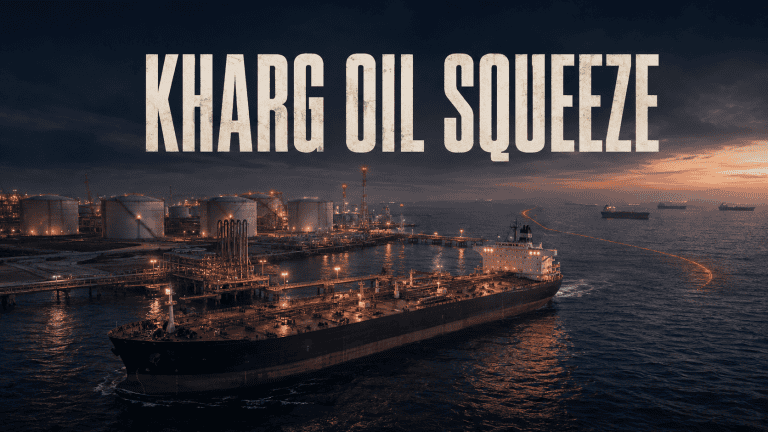
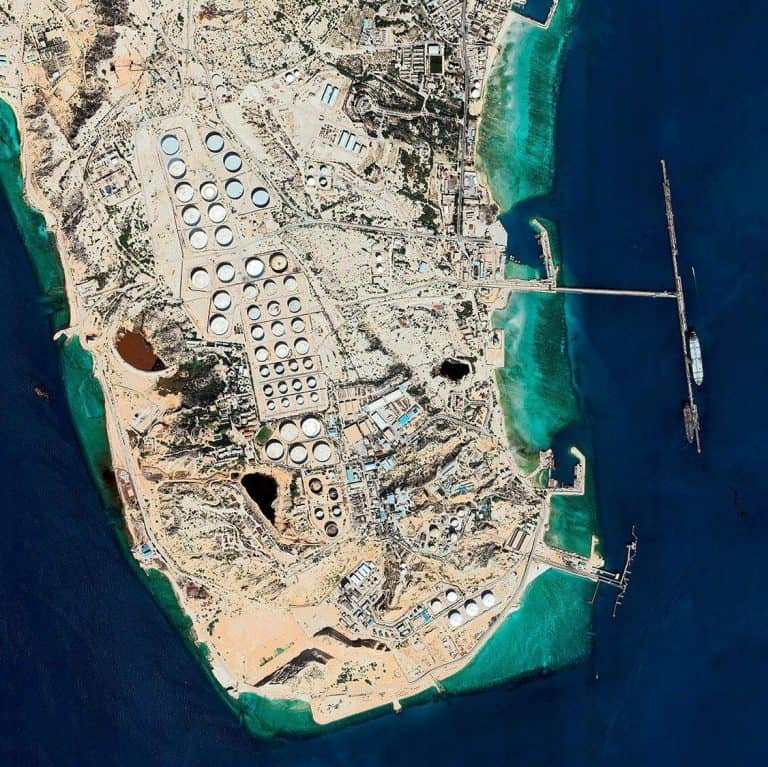
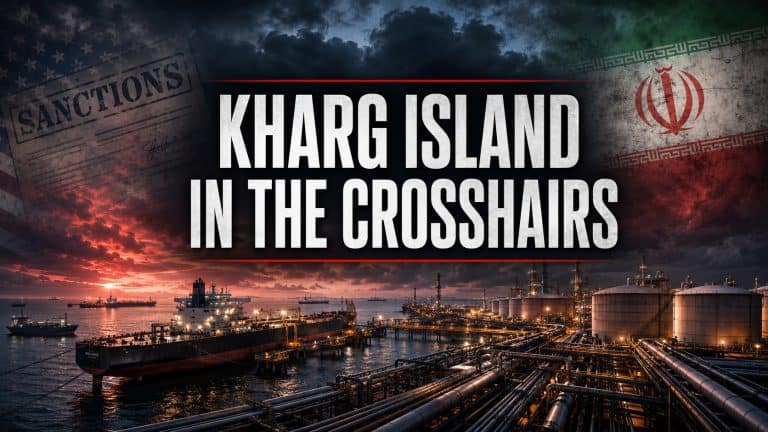
Kharg Island is not simply another Iranian military target. It is the central artery of Iran’s petroleum-export system.
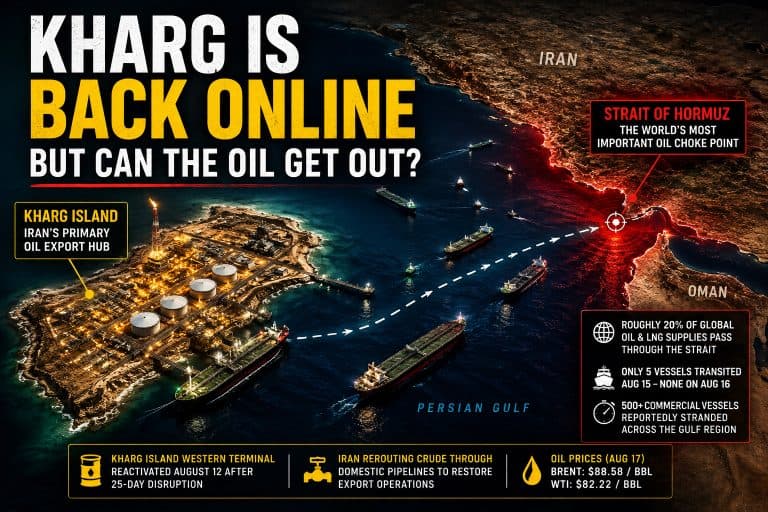
Before the current conflict, the island handled approximately 90% of Iran’s crude-oil exports. Its storage tanks, pipelines and offshore loading terminals allow large tankers to collect Iranian oil for international shipment.
A successful attack on those facilities could severely restrict Iran’s ability to generate revenue—even if its oil fields continued producing.
By depicting Kharg Island in flames, the Trump administration delivered a message that required no formal ultimatum: Washington knows precisely where Iran’s economic pressure point is located.
The fact that the video was generated by artificial intelligence does not make the message less serious. It allowed Trump to demonstrate a possible attack visually without immediately accepting the military, economic and environmental consequences of carrying one out.
Oil Markets React to the Kharg Island Threat
The video appeared as tensions across the Persian Gulf were already climbing.
Brent crude moved above $90 per barrel following renewed fighting between the United States and Iran. Reports of tanker attacks near the Strait of Hormuz subsequently added another layer of uncertainty to global energy markets.
Preliminary vessel-tracking information showed visible commodity traffic through the strait falling to only five ships on Monday. Four vessels entered the Persian Gulf and only one departed. None of the observed transits involved liquid tankers.
The actual number may be higher because some vessels are reportedly traveling with their automatic identification systems switched off. Even so, the available data illustrates how dramatically normal commercial traffic has declined.
Two tankers were also reportedly struck by projectiles east of Oman on September 1. Iranian media separately reported that a Saudi tanker had been stopped in the southern corridor of the Strait of Hormuz.
These developments mean any credible threat against Kharg Island now carries consequences extending far beyond Iran.
A Warning Without an Attack
Trump’s post gave Washington several strategic advantages without requiring an immediate strike.
It placed Kharg Island back at the center of international attention, reminded Iran that its oil infrastructure remains vulnerable and caused governments, traders and shipping companies to consider the consequences of another American operation.
It also created confusion.
For several hours, observers were forced to determine whether the president of the United States was announcing an actual military attack or publishing a fictional depiction of one. In an active conflict, that uncertainty could influence oil prices, shipping decisions and military calculations.
Vance’s explanation that the post was intended to send Iran a message largely confirms its purpose. The content was fictional, but the warning was deliberate.
Kharg Island Remains Iran’s Most Dangerous Pressure Point
There is currently no verified evidence that the latest American strikes damaged Kharg Island or its oil-export facilities.
However, the island remains one of the most consequential potential targets in the conflict.
Destroying its petroleum infrastructure could cripple Iranian exports, send oil prices sharply higher and invite retaliation against energy facilities and shipping throughout the Persian Gulf. It could also produce a major environmental disaster if storage tanks, pipelines or offshore loading systems were ruptured.
That is why the AI-generated video matters.
It was not proof that Kharg Island had been attacked. It was a preview of the economic weapon Washington continues to hold over Tehran—and a reminder that the line separating propaganda from military signaling is becoming increasingly difficult to see.
For the moment, Kharg Island remains operational. But after Trump’s fictional attack video, the possibility of a real strike is once again hanging over the world’s oil markets.
Sources
Reuters: “Trump was sending message to Iran with Kharg Island post, says Vance”
Reuters: “Strait of Hormuz commodity vessel transits stay in single digits, data shows”
The Independent: “Trump’s fake AI video of Kharg Island attack leaves US military scrambling to explain”
Donya-e-Eqtesad: “Latest status of oil exports at Iran’s Kharg Island”