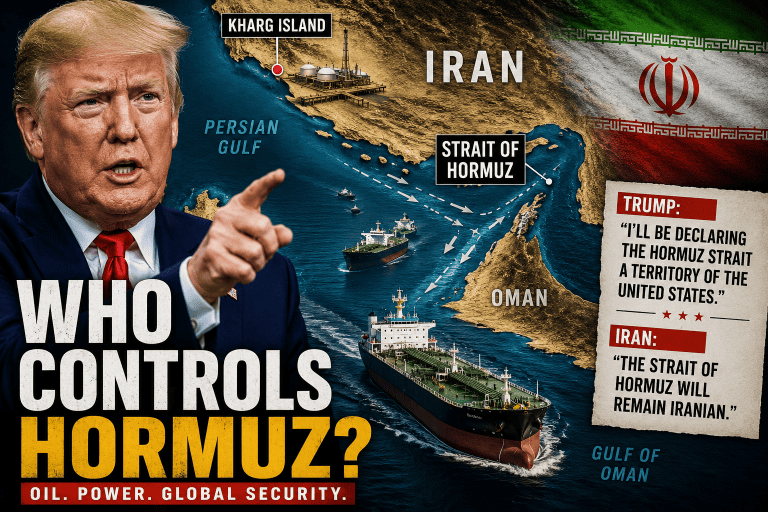
Iranian Oil Supply to China Tightens Despite Kharg Island Restart
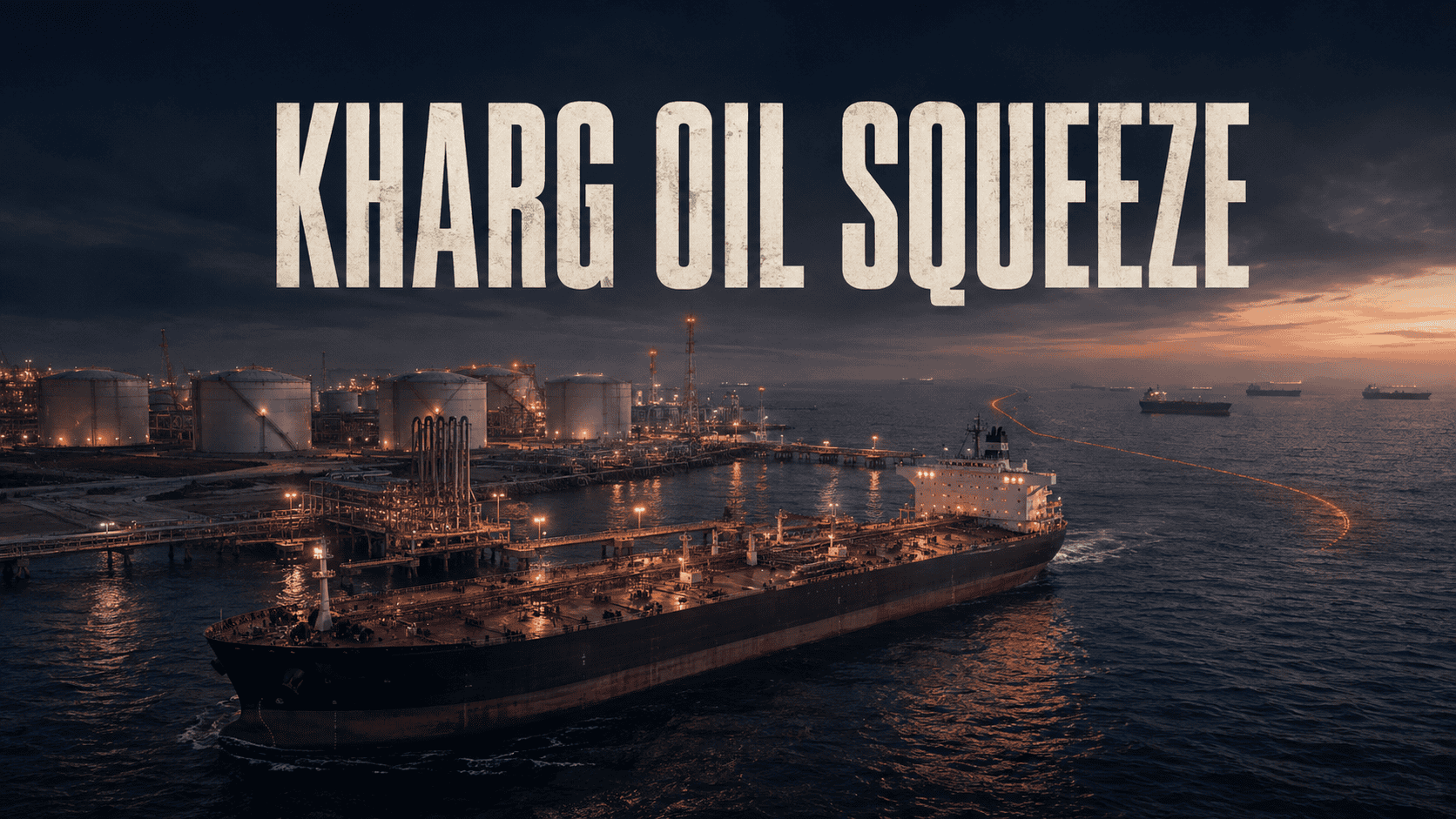
Iran’s limited return to oil loading at Kharg Island has not been enough to restore the country’s disrupted export network.
Offers of Iranian crude to Chinese buyers have fallen sharply, while some available cargoes are reportedly being offered at a premium rather than the steep discounts traditionally associated with sanctioned Iranian oil.
The shift suggests that restarting activity at Kharg Island is only the first step. Iran must still move loaded tankers through a heavily restricted maritime corridor before those barrels can reach foreign buyers.
Fewer Iranian Cargoes Are Reaching the Market
According to Reuters, Chinese refiners have received fewer offers for Iranian oil scheduled for delivery in September and October.
The decline follows the reimposition of the U.S. blockade on Iranian ports and shipping on July 13. Ship-tracking data cited by Reuters showed no visible crossings of the Strait of Hormuz by supertankers carrying Iranian crude since that time.
Some vessels involved in sanctioned oil trading disable their tracking transponders, meaning publicly visible shipping data cannot provide a complete picture. Nevertheless, the shrinking availability of Iranian crude in Asia indicates that significantly fewer new barrels are successfully reaching the market.
Kharg Island Loading Has Resumed—But Only on a Limited Basis
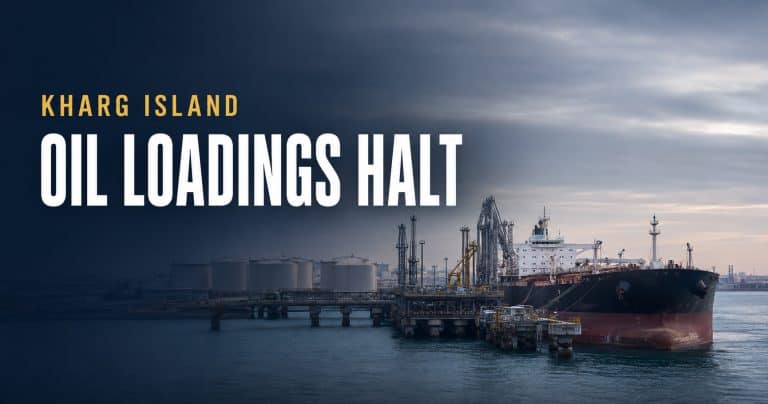
Kharg Island’s western oil terminal resumed activity on August 12 after a 25-day interruption. Satellite imagery showed a very large crude carrier, or VLCC, berthed at the terminal—the first observed loading operation there since July.
Maritime analysts estimated that the tanker could carry approximately two million barrels of crude.
However, Kharg Island’s eastern terminal and liquefied petroleum gas facility reportedly remained inactive. Numerous tankers also continued waiting offshore, demonstrating the difference between loading a vessel and successfully exporting its cargo.
Iran may still be capable of placing crude aboard individual tankers. The more difficult challenge is moving those ships through the Strait of Hormuz and onward to overseas customers.
Iranian Crude Is Losing Its Traditional Discount
Sanctions have historically forced Iran to offer its oil at discounted prices, particularly to independent Chinese refiners willing to accept the financial and logistical risks.
That pattern may now be changing.
Trade sources told Reuters that some Iranian crude was being offered at approximately $2 per barrel above Brent crude futures. Earlier offers had reportedly been priced around $3 below Brent.
That represents a swing of roughly $5 per barrel and reflects how limited the available supply has become.
China’s smaller independent refineries—often called “teapot” refiners—have begun considering replacement barrels from countries including Brazil and Iraq. These refiners have traditionally been among the largest consumers of discounted Iranian oil.
Floating Oil Storage Is Being Drawn Down
Iran has relied partly on oil already stored aboard tankers outside the immediate blockade zone.
Kpler data cited by Reuters indicated that Iran’s floating storage outside the restricted area had fallen from approximately 105 million barrels to about 80 million barrels.
Estimates of Iranian crude remaining in Asian waters ranged from roughly 30 million to 40 million barrels, with much of that oil reportedly already committed to buyers.
This floating supply can temporarily cushion the loss of new exports from Kharg Island. It cannot replace a functioning export route indefinitely.
Once those stored barrels are sold and delivered, Chinese buyers will depend increasingly on newly loaded tankers successfully leaving Iranian waters.
China’s Iranian Oil Imports Have Fallen Sharply
China purchases the overwhelming majority of Iran’s exported crude, making the country essential to Tehran’s oil revenue.
Chinese imports of Iranian oil averaged approximately 1.4 million barrels per day during 2025. Reuters reported that shipments fell to an estimated 785,000 barrels per day in June 2026, rose slightly to 823,000 barrels per day in July and then dropped to approximately 534,000 barrels per day during August.
The August figure represents a decline of more than 60 percent from last year’s average.
This reduction matters far beyond China’s refining industry. Oil exports provide Iran with critical foreign currency used to fund government operations, public-sector salaries, military spending and imports.
Oil Prices Rise as Pressure on Iran Increases
The tightening supply contributed to another rise in global oil prices on August 21.
Brent crude settled at $94.39 per barrel, while West Texas Intermediate closed at $87.06 per barrel. Reuters also reported that only seven commodity vessels crossed the Strait of Hormuz on Thursday—approximately half the previous day’s total.
Washington has threatened additional sanctions against Iran and countries or businesses that continue trading with it. Details of the next sanctions package are expected to be announced Monday.
These threats have created additional uncertainty for Chinese refiners already exposed to sanctions through their purchases of Iranian crude.
Why Kharg Island Still Matters
The latest developments demonstrate that activity at Kharg Island cannot be judged solely by whether a tanker is visible at a loading berth.
The terminal may be operational, but Iran’s export system remains constrained by the blockade, restricted traffic through the Strait of Hormuz, sanctions risk and the decreasing supply of crude already stored near Asian buyers.
Kharg Island remains the physical starting point for most Iranian oil exports. For now, however, loading a tanker there does not guarantee that its cargo will reach the global market.
What Happens Next?
Several developments will reveal whether the limited restart at Kharg Island can become a sustained recovery:
- Whether additional tankers begin loading at the island
- Whether loaded Iranian vessels successfully cross the Strait of Hormuz
- Whether China’s independent refiners continue purchasing Iranian crude
- Whether Washington targets specific Chinese buyers with new sanctions
- Whether Iran’s floating oil inventory continues to decline
- Whether Iran expands its use of alternative terminals and shipping routes
Until tanker movements through the Strait return to more normal levels, Kharg Island’s renewed activity should be viewed as a limited restart—not a full restoration of Iranian oil exports.
Sources: Reuters—Chinese demand and Iranian oil supplies, Reuters—oil prices and Strait of Hormuz traffic, and The National—Kharg Island loading restart.