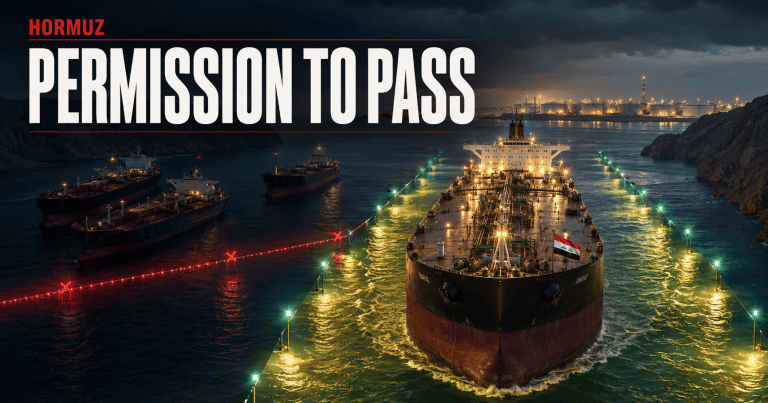
Kharg Island Oil Loadings Halt as Tanker Activity Declines
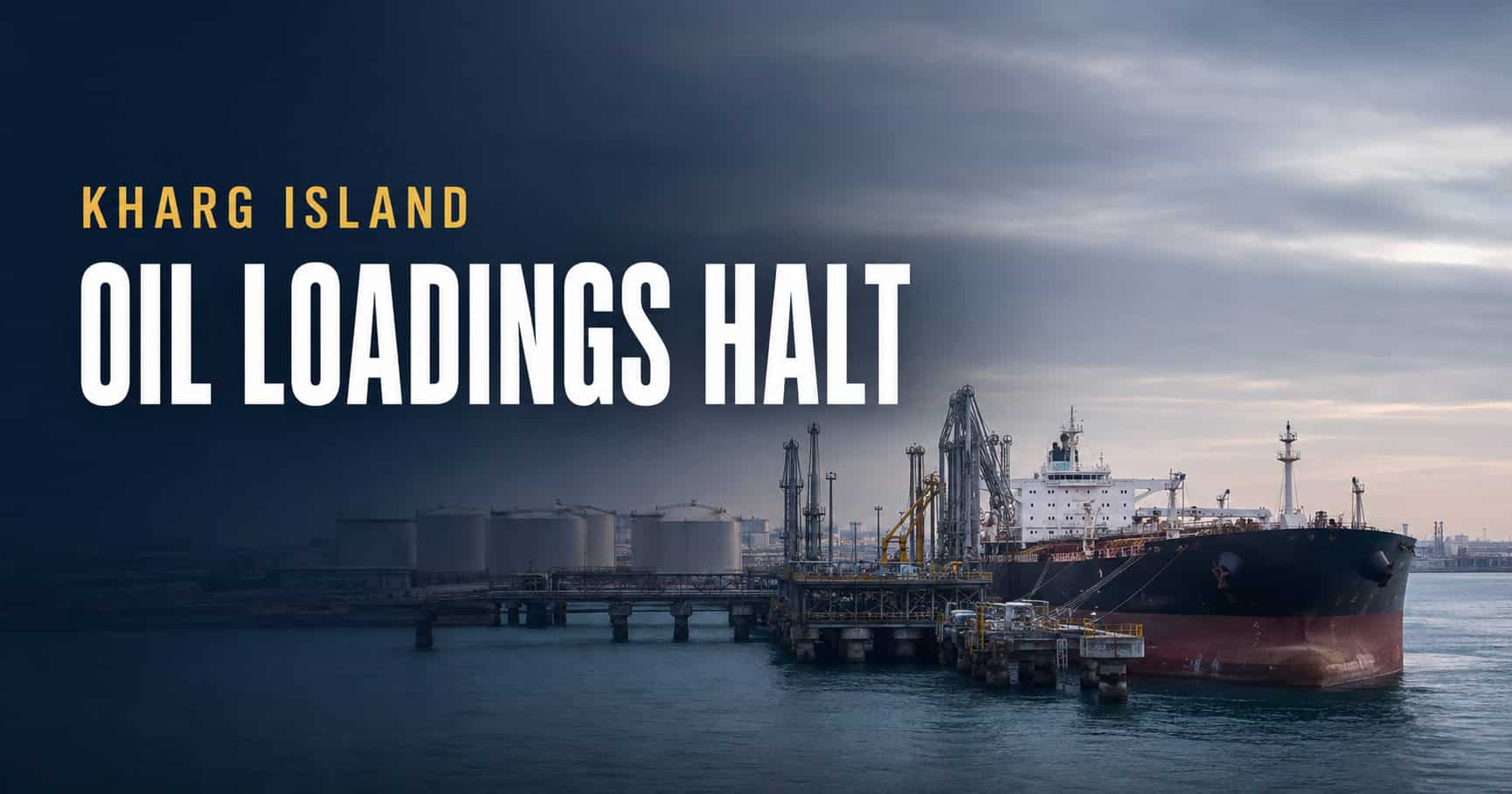
Oil tanker at the Kharg Island oil terminal as loading activity halts
Shipping activity at Iran’s Kharg Island oil terminal has reportedly come to a standstill, marking one of the most significant interruptions at the strategically important export hub in recent months.
According to shipping intelligence and satellite data cited by the Financial Times, no tankers had loaded crude oil at Kharg Island for at least one week as of August 7, 2026. Operations were reported to have stopped on July 31 amid renewed restrictions on maritime traffic connected to the continuing dispute over shipping through the Strait of Hormuz.
Satellite Data Shows Empty Berths
Maritime intelligence company Windward reported that satellite images showed all three principal loading berths at Kharg Island remaining empty for an extended period.
Only 16 vessels were reportedly anchored in the waters surrounding Kharg during observations conducted in early August. Windward described that as the lowest number recorded since the beginning of July.
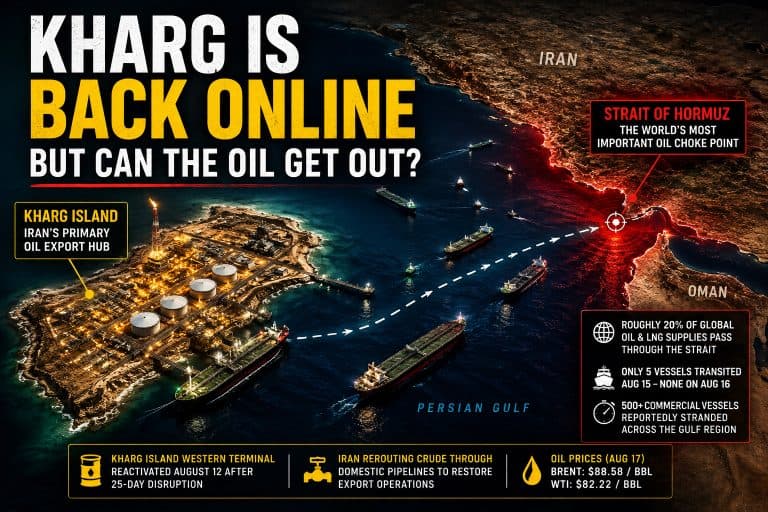
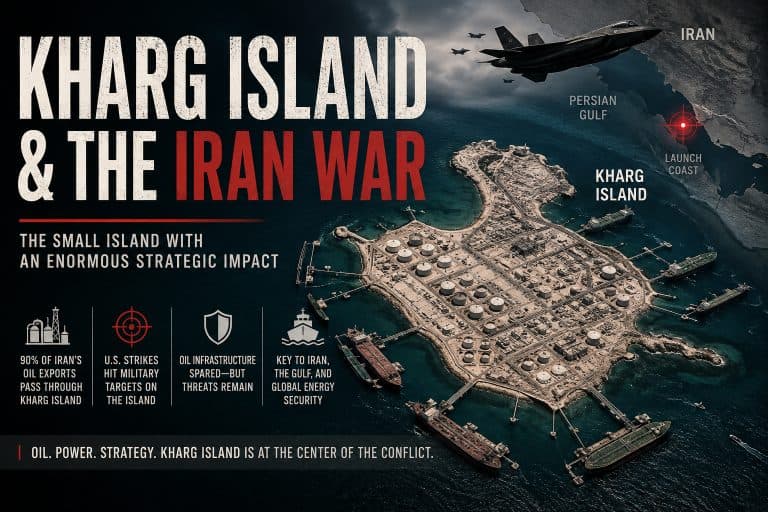
The absence of tankers is especially notable because Kharg Island serves as the loading point for approximately 90 percent of Iran’s exported crude oil. The island’s deep surrounding waters allow very large crude carriers to dock and load oil—something that is difficult along much of Iran’s comparatively shallow mainland coastline.
Why Operations Have Stopped
The reported shutdown follows the reimposition of a United States naval blockade on Iranian ports in mid-July. The blockade returned after an interim arrangement intended to reopen shipping through the Strait of Hormuz reportedly collapsed.
Despite several months of regional conflict and military activity, Iran had continued loading crude at Kharg Island. The present interruption is therefore considered one of the terminal’s longest periods without tanker-loading operations since the conflict began.
The interruption is also preventing empty Iranian tankers from returning to Kharg Island after delivering previous shipments. Some vessels have reportedly remained near Oman, Pakistan and Sri Lanka instead of returning to Iranian waters.
Possible Effects on Iranian Oil Production
A prolonged suspension could eventually force Iran to reduce production if crude oil cannot be exported or stored.
Kharg Island possesses extensive storage facilities connected by pipeline to Iranian oil fields on the mainland. However, those tanks have limited capacity. If exports remain halted, Iran may need to slow production to prevent its storage network from becoming full.
Energy analysts cited in the reporting said available data could indicate that production reductions have already begun. Significant increases in Kharg Island’s stored oil had not yet been observed, despite the absence of departing tankers.
Wider Importance for Global Energy Markets
Kharg Island occupies an unusually influential position in the international energy system. Earlier shipping data indicated that approximately 1.55 million barrels per day of Iran’s 2026 crude exports were being shipped through the island.
China has historically been the leading destination for Iranian crude transported through Kharg. Disruptions at the terminal can consequently affect Iranian export revenue, supplies available to Asian refiners and expectations throughout the global oil market.
Iran may continue receiving revenue temporarily from shipments that departed before the latest restrictions. However, that income could decline if tankers remain unable to load new cargoes at Kharg Island.
What Happens Next
Attention is now focused on diplomatic efforts involving Iran, Oman and the United States. Iranian officials have discussed the possibility of establishing an agreed shipping route through the Strait of Hormuz, but no confirmed reopening arrangement had been announced as of August 10.
Any agreement that restores regular maritime access could allow tanker traffic to resume at Kharg Island. Until then, the empty berths provide a visible illustration of how geopolitical decisions surrounding the Strait of Hormuz can directly affect Iran’s most important oil-export facility.
This article reflects information available as of August 10, 2026. KhargIsland.net will continue monitoring shipping activity and developments involving the terminal.
Sources: Financial Times reporting on the Kharg Island shutdown, August 7 shipping report, and Reuters background on Kharg Island’s oil infrastructure.