
Iran Grants Iraqi Oil Tankers Special Passage as Kharg Island Exports Remain Trapped
August 22, 2026
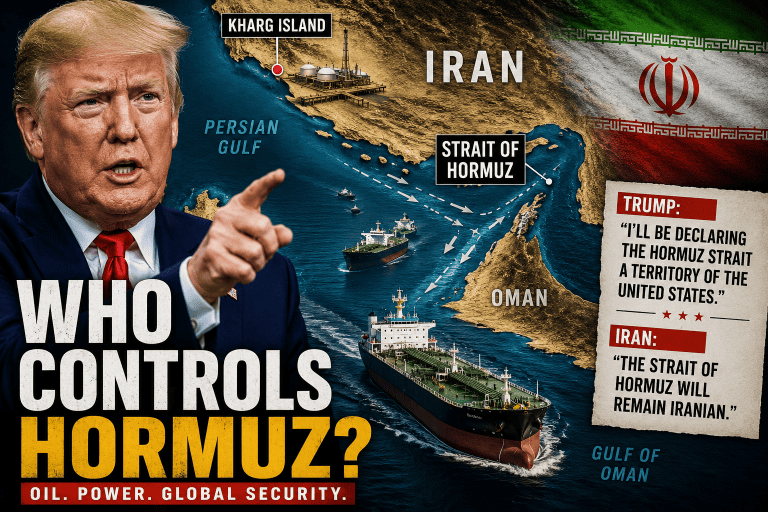
Iran has granted special permission for several Iraqi oil tankers to travel through the Strait of Hormuz, creating a selective passage system in one of the world’s most important energy corridors.
The decision comes as normal commercial traffic remains severely restricted and Iranian crude loaded at Kharg Island continues to face the separate obstacle of a U.S. maritime blockade.
The development demonstrates that the Strait of Hormuz is not simply open or closed. Passage is increasingly determined vessel by vessel, with political negotiations and national identity influencing which tankers are permitted to travel through the waterway.
Iran Approves Passage Following Iraqi Requests
Iran’s state news agency IRNA reported on August 22 that permission was granted after Baghdad made repeated requests through several diplomatic channels.
Securing passage for Iraqi oil tankers was reportedly one of Baghdad’s primary requests during Iranian Parliament Speaker Mohammad Bagher Qalibaf’s recent visit to Iraq.
Iraqi President Nizar Amedi confirmed that Iran had facilitated the passage of vessels carrying Iraqi oil during recent days. He said Iraqi and Iranian officials had discussed the export of Iraqi crude through the Strait, although he acknowledged that the situation remained complicated.
The number of vessels receiving permission, their identities and the amount of oil involved were not immediately disclosed.
Hormuz Becomes a Controlled Oil Checkpoint
The authorization establishes an important precedent. Iran is demonstrating that it can permit selected commercial vessels to pass while continuing to threaten unauthorized oil tankers attempting the same journey.
That effectively transforms the Strait of Hormuz from a normally open international shipping route into a controlled checkpoint.
An approved Iraqi tanker may be permitted to move through the Strait while another vessel carrying similar cargo remains anchored, rerouted or exposed to attack.
This arrangement gives Tehran considerable influence over the regional oil trade without requiring a complete physical closure of the waterway. Selective passage can reward countries that negotiate with Iran while placing pressure on governments or companies viewed as hostile.
Shipping Traffic Remains Far Below Normal
The permission granted to Iraqi vessels should not be mistaken for a broader reopening of the Strait.
Reuters reported that only four commodity ships traveled through Hormuz on Thursday. None were very large crude carriers or liquefied natural gas tankers.
U.S. officials estimated that the seven-day average for oil moving through the Strait had fallen to approximately 8 million barrels per day. Before the war, more than 20 million barrels per day—roughly one-fifth of global petroleum consumption—passed through the waterway.
Hundreds of vessels and thousands of crew members remain caught in the regional shipping bottleneck.
Commercial operators must consider possible attacks, insurance costs, sanctions exposure, naval activity and the possibility that passage could be denied even after a vessel enters the Persian Gulf.
Why Iraq Needed Iran’s Permission
Iraq produced approximately 4 million barrels of oil per day before the outbreak of the Iran war. Much of its southern production depends on export terminals inside the Persian Gulf, leaving the country vulnerable when traffic through Hormuz is disrupted.
Baghdad is consequently working to expand alternative export routes that avoid the Strait.
Proposals include increasing shipments through Turkey’s Ceyhan port and developing routes to Syria’s Baniyas port and Jordan’s Aqaba port. These projects would reduce Iraq’s dependence on a waterway whose availability can now change according to diplomatic and military conditions.
Those alternatives, however, cannot immediately replace Iraq’s established southern export system. Receiving permission from Iran provides short-term relief while Baghdad pursues longer-term infrastructure projects.
The Kharg Island Contradiction
The situation creates a striking contradiction for Iran’s own oil industry.
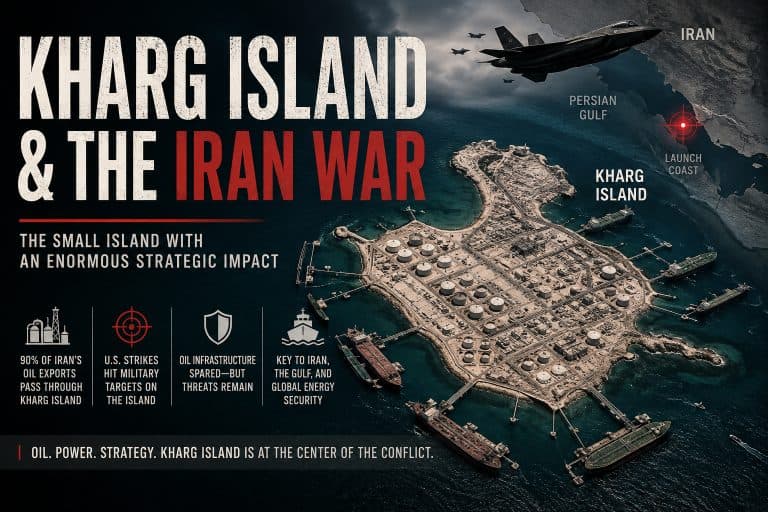
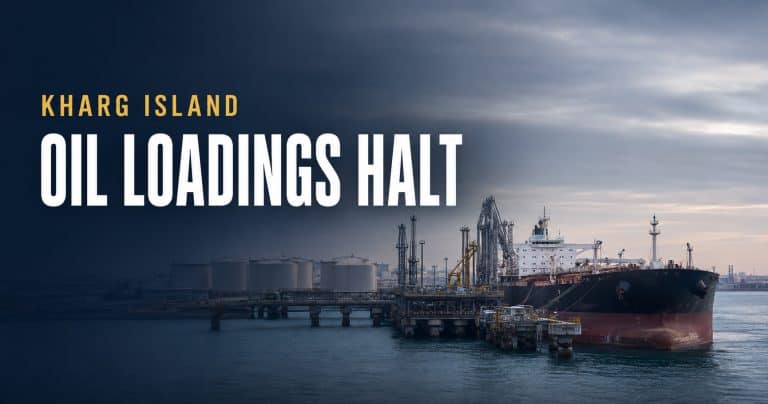
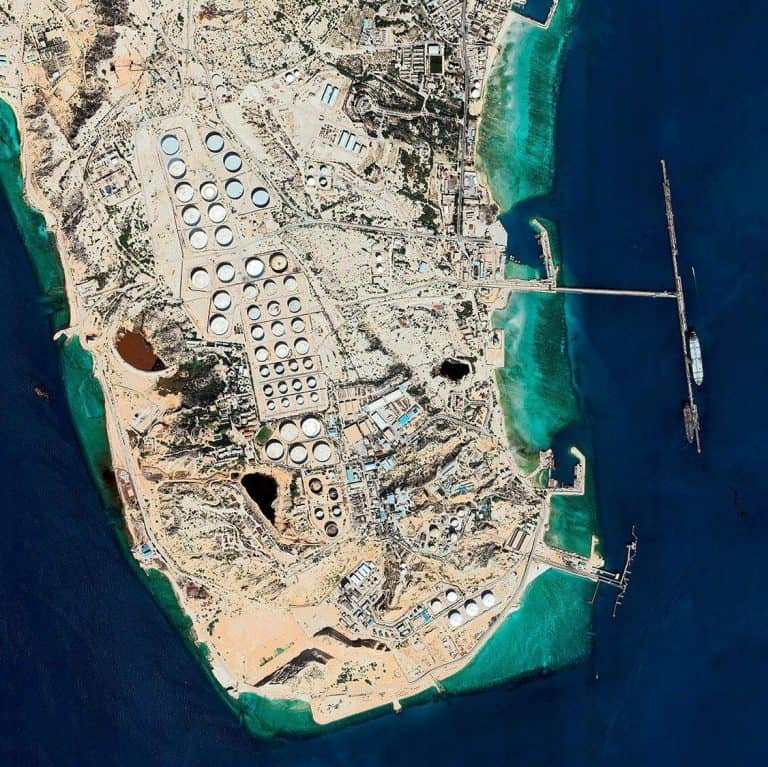
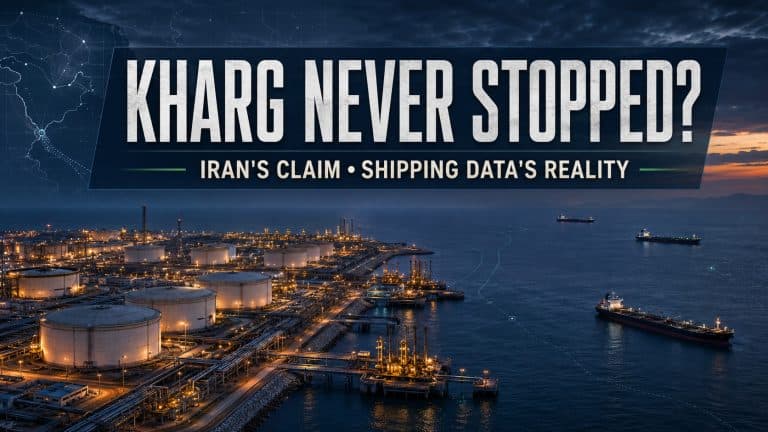
Kharg Island remains Iran’s primary crude export terminal and the starting point for most of the country’s seaborne oil shipments. Limited loading activity has resumed at the island’s western terminal, showing that Iran retains the ability to place crude aboard large tankers.
Yet loading oil at Kharg Island and delivering it to a foreign buyer are now two very different things.
Iran may authorize Iraqi vessels to pass through Hormuz, but tankers carrying Iranian crude remain constrained by the U.S. blockade. Ship-tracking data has shown few visible departures capable of delivering newly loaded Iranian oil to Asian customers.
Iran therefore possesses influence over which foreign tankers may leave the Persian Gulf while struggling to move its own exports beyond the blockade.
This helps explain why limited activity at Kharg Island has not produced a full recovery in Iranian oil sales.
A New Form of Maritime Leverage
Selective passage allows Iran to exercise leverage without treating every vessel identically.
Tehran can present individual authorizations as diplomatic cooperation while maintaining pressure on the larger shipping system. Neighboring countries may increasingly seek bilateral approval rather than wait for a comprehensive agreement reopening the Strait.
That could encourage more governments to negotiate separate arrangements with Iran. It could also create uncertainty about whether future permissions will be based on cargo, destination, ownership, political relationships or sanctions status.
The lack of predictable rules is itself a form of pressure. Oil markets and shipping companies depend on routes that are consistently available—not corridors that require new political approval for every voyage.
What Happens Next?
The passage of the Iraqi vessels will provide an important test of Iran’s emerging permission system.
Key developments to watch include:
• Whether the authorized Iraqi tankers complete their journeys without incident
• Whether Iran grants similar permission to vessels from other Gulf countries
• Whether additional large crude carriers begin traveling through the Strait
• Whether the U.S. attempts to challenge or influence Iran’s authorization system
• Whether Iranian tankers loaded at Kharg Island remain confined by the blockade
• Whether Iraq accelerates construction of alternative export routes
For Kharg Island, the central problem remains unchanged: the terminal can load crude, but Iran still lacks a reliable route for delivering those barrels to its largest customers.
The decision to permit selected Iraqi tankers through Hormuz shows that movement is possible. It also shows that passage through the Strait has become a political privilege rather than a predictable part of international commerce.
Sources:
Reuters — Iran Grants Iraqi Oil Tankers Permission to Pass Through Hormuz
https://www.reuters.com/business/energy/iran-grants-permission-number-iraqi-oil-tankers-pass-through-hormuz-2026-08-22/
Reuters — Hormuz Traffic Remains Restricted Ahead of New U.S. Sanctions
https://www.reuters.com/world/middle-east/us-iran-keep-up-hostile-rhetoric-ahead-new-sanctions-2026-08-22/