Iran Threatens Offensive Shift in Strait of Hormuz as Kharg Island Oil Operations Resume
August 17, 2026
Tensions surrounding Iran’s oil lifeline are rising again as Tehran warns that its military posture in the Strait of Hormuz could shift from defensive operations to a more aggressive strategy if diplomacy with the United States fails.
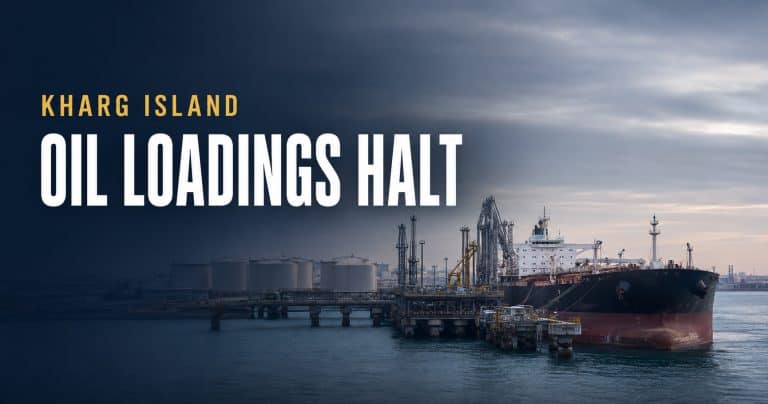
The warning comes at a particularly sensitive moment for Kharg Island, Iran’s primary crude oil export hub, where oil loading operations have recently begun to resume after weeks of disruption.
Diplomatic Window Expires
A 60-day window tied to the June memorandum of understanding between the United States and Iran expired on August 17 without a broader agreement.
Iranian officials have warned that the country is prepared to adopt what they describe as a “fully offensive” posture if the United States does not honor Tehran’s interpretation of the earlier agreement.
The dispute centers heavily on the Strait of Hormuz, the narrow waterway connecting the Persian Gulf with the Gulf of Oman and the Arabian Sea.
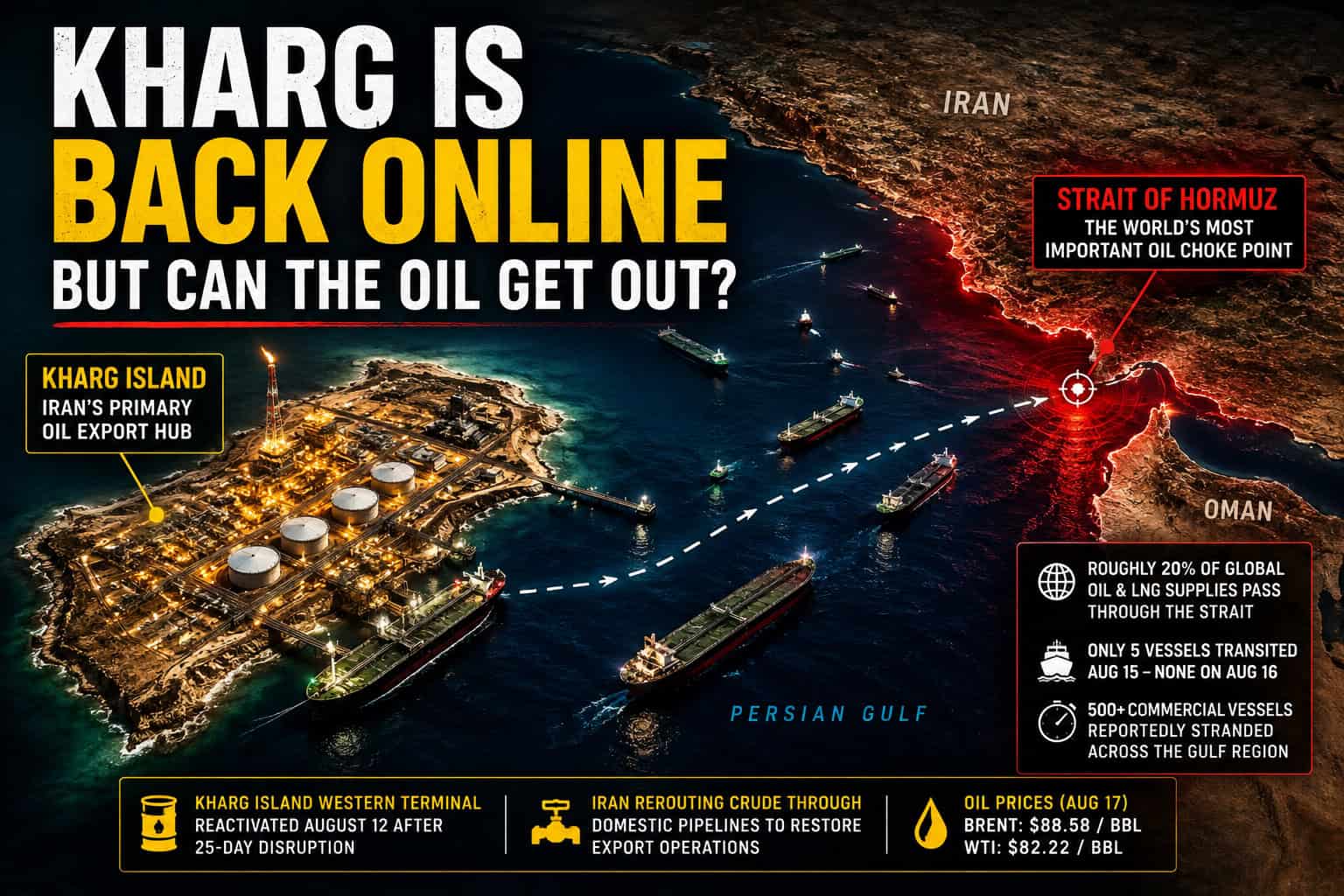
Before the current conflict, roughly one-fifth of global oil and liquefied natural gas supplies moved through the strait.
Commercial traffic has now fallen dramatically.
Reports indicate that only five vessels passed through the Strait of Hormuz on Saturday, August 15, while no vessels were recorded transiting on Sunday. More than 500 commercial vessels are reportedly stranded throughout the Gulf region as shipping traffic slows to a fraction of normal levels.
Kharg Island Returns to the Center of the Crisis
The renewed confrontation is especially important for Kharg Island.
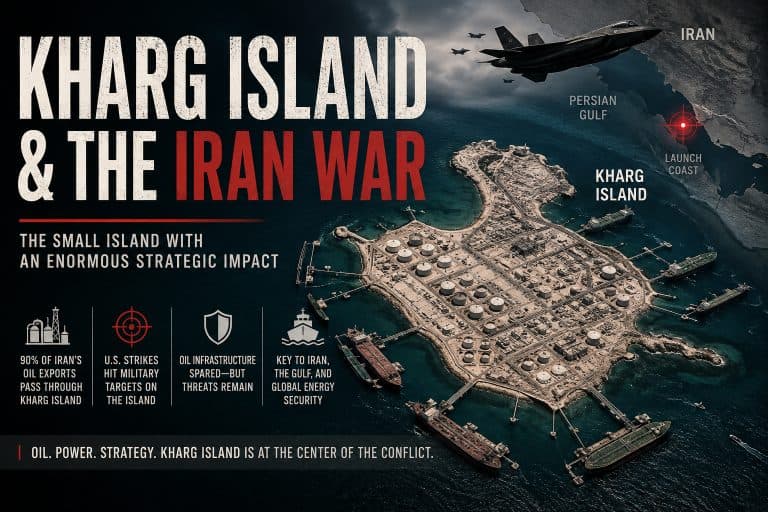
The island has historically handled roughly 90% of Iran’s crude oil exports, making it one of the most strategically important pieces of energy infrastructure in the Middle East.
After a 25-day interruption, Iran reportedly reactivated the western terminal at Kharg Island on August 12.
Iran has also been rerouting crude through its domestic pipeline network in an effort to restore export operations.
That recovery now faces another major uncertainty.
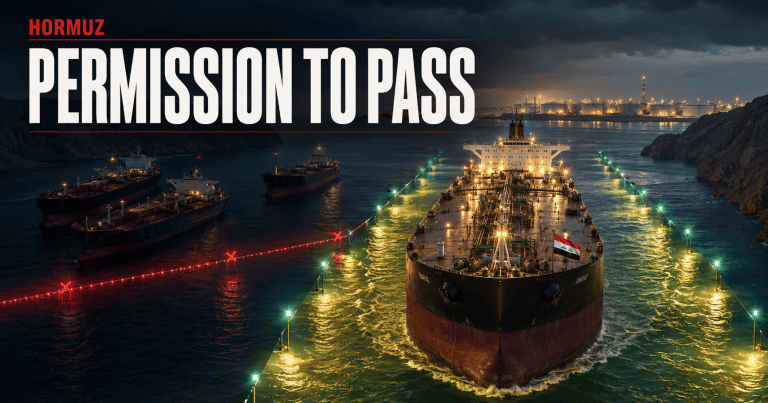
Even if Iran can load tankers at Kharg Island, moving those tankers safely out of the Persian Gulf remains dependent on conditions in and around the Strait of Hormuz.
In other words, restoring Kharg Island’s terminals solves only half of the problem.
Oil Markets Watching Closely
Global oil markets are closely monitoring the confrontation.
Brent crude traded near $88.58 per barrel on August 17, while U.S. West Texas Intermediate crude traded around $82.22 per barrel.
So far, markets have not reacted with the extreme price movements seen during earlier stages of the conflict.
That could change quickly if military activity begins significantly affecting oil infrastructure, tanker movements, or Kharg Island itself.
Kharg Island’s Strategic Importance Is Growing
Kharg Island has repeatedly emerged as one of the central pressure points in the conflict.
Its importance comes from a simple geographic reality: Iran can produce millions of barrels of crude oil, but production only generates export revenue if that oil can reach international buyers.
Kharg Island provides the loading infrastructure.
The Strait of Hormuz provides the exit.
Together, they form the backbone of Iran’s traditional oil-export system.
That makes the combination of renewed Kharg Island operations and escalating tensions in the Strait particularly significant.
For now, Iran appears determined to keep oil moving while simultaneously asserting greater control over shipping in the Persian Gulf.
Whether those two objectives can coexist without triggering another major escalation may become one of the most important questions facing global energy markets in the days ahead.
KhargIsland.net will continue tracking developments involving Kharg Island, Iranian oil exports, the Strait of Hormuz and their impact on global energy markets.