Iran Suspends Shipping Charge as Pressure Builds Around Kharg Island
Iran has suspended a 10 percent freight charge on foreign vessels carrying oil, gas and other petroleum products into or out of the country.
The decision tells you more than the official announcement does.
Iran needs ships. Kharg Island needs tankers. Right now, both are becoming harder to find.
The Iranian government introduced the suspension as fighting and maritime restrictions continue to disrupt the country’s energy trade. According to Reuters, Iran’s presidential legal deputy ordered the change while the government reviews which products should face the charge. Reuters reported the decision on September 10.
Iran Is Cutting the Cost of Taking the Risk
A 10 percent charge matters during normal trade. It matters even more when shipowners already face military attacks, possible interception, higher insurance costs and long delays.
Removing the charge lowers one expense. It does not remove the danger.
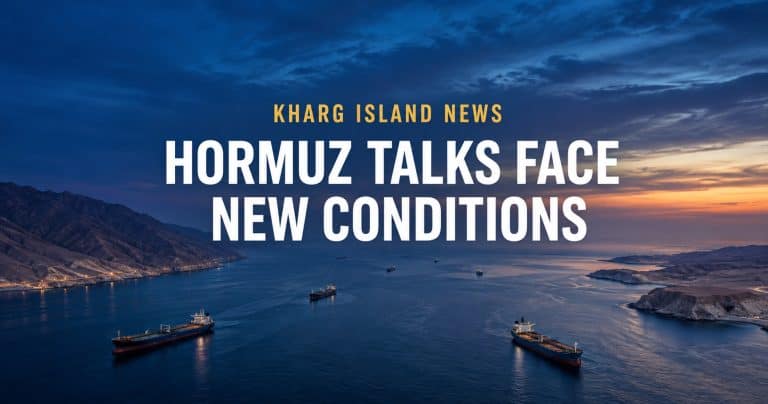
Only seven vessels passed through the Strait of Hormuz on Wednesday, according to preliminary ship tracking data reviewed by Reuters. Twelve vessels crossed the previous day. The 10 day average stood at 14.
Four ships exited the strait. Three entered. Only one departing vessel carried a large crude shipment. No liquefied natural gas tanker left the Gulf. Reuters reported the shipping data here.
Some ships travel with their tracking systems turned off, so the public numbers do not capture every crossing. Still, the trend remains clear. Traffic through Hormuz has fallen to a fraction of normal levels.
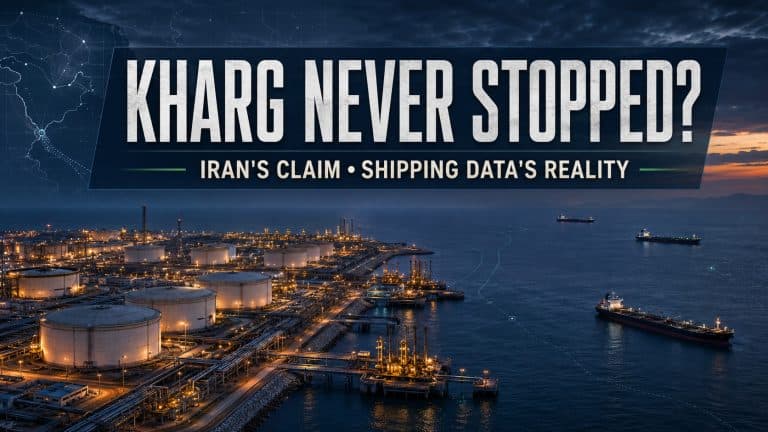
Kharg Island Sits at the Center of the Problem
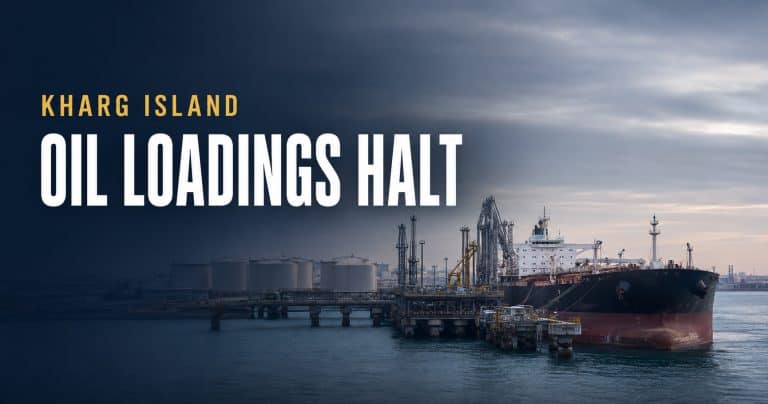
Kharg Island handles most of Iran’s crude oil exports. Its terminals give Iran the ability to store, load and ship huge amounts of oil.
But a terminal without tankers becomes a storage site.
Iran can produce oil. Kharg can load it. Neither step brings in export revenue until a vessel carries the crude to a buyer.
That explains why the freight decision matters to Kharg Island. Iran is trying to make energy shipments less expensive at the exact moment when foreign operators see Iranian waters as one of the most dangerous places in commercial shipping.
The government has removed a fee. Shipowners still have to calculate the risk of losing a vessel, a crew or both.
The Numbers Show a Wider Supply Problem
The disruption now reaches far beyond Iran.
Reuters reported that Gulf oil exports remain roughly one third below normal levels, even as some tankers cross the Strait of Hormuz without transmitting their positions. Analysts estimate that ships have moved at least $40 billion worth of oil through these hidden crossings during the past three months. Read the Reuters analysis.
Brent crude has climbed above $100 per barrel. Prices have risen nearly 30 percent since early August as attacks on tankers and warships reduce hopes for a stable shipping recovery. Reuters reported Brent trading above $100.
You will feel that pressure even if you never buy Iranian oil. Higher crude prices raise the cost of gasoline, diesel, shipping, manufacturing and food distribution.
What Happens Next
Watch the tankers, not the statements.
Iran can announce lower charges. The United States can announce tighter enforcement. Military leaders can claim control of the water.
None of those claims matter as much as actual ship movement.
If traffic rises, Iran gains room to restart exports through Kharg Island. If traffic remains near single digits, the suspended charge will have little effect. Shipping companies do not need a small discount when crews face missiles, drones and interception.
Iran’s decision shows that the pressure campaign is affecting trade. It also shows the limit of economic incentives during a shooting war.
Kharg Island still has oil. Iran still has buyers.
The missing piece is a safe way to connect them.