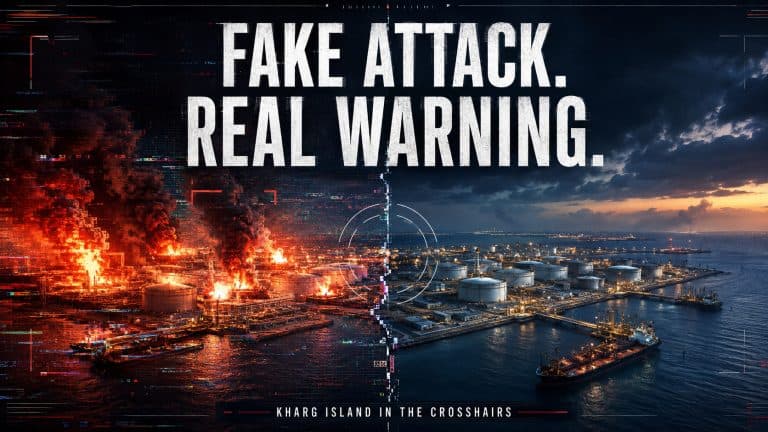

Trump Targets Iran’s Oil Lifeline as New Sanctions Put Kharg Island in the Crosshairs
August 25, 2026
The United States has launched a sweeping new economic campaign against Iran, placing the country’s oil exports—and the critical Kharg Island terminal—at the center of the latest confrontation between Washington and Tehran.
Known as Operation Economic Outcast, the campaign is designed to dismantle the shipping, financial and commercial networks Iran uses to export oil and avoid international sanctions.
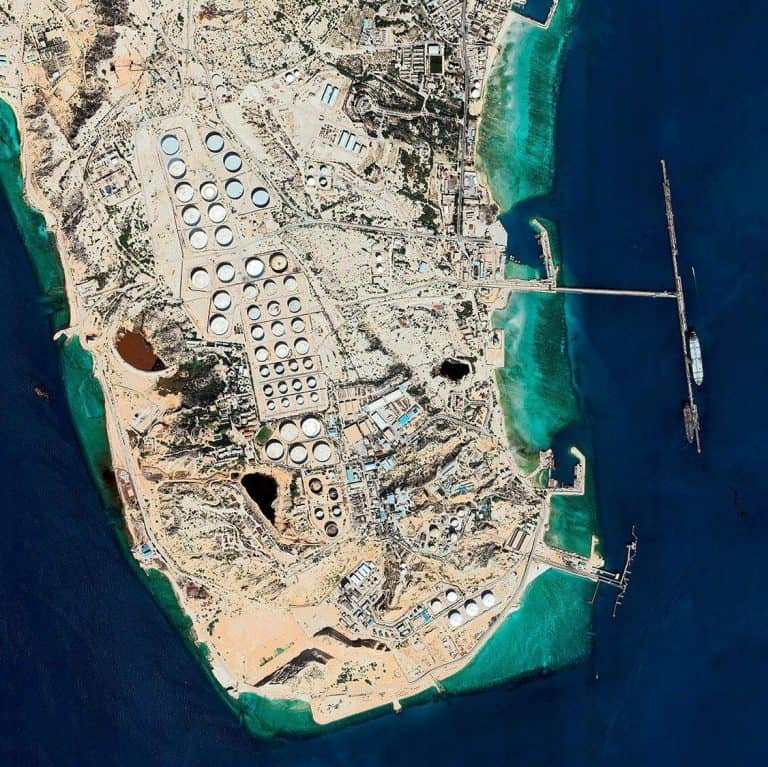
Although no new attack on Kharg Island has been confirmed within the last 24 hours, the island is directly exposed to the latest American strategy. Kharg handles the overwhelming majority of Iran’s crude-oil exports, making it the country’s most important connection to the international energy market.
What Is Operation Economic Outcast?
The U.S. Treasury Department announced Operation Economic Outcast on August 24, describing it as a sustained campaign to sever the economic lifelines supporting the Iranian government and the Islamic Revolutionary Guard Corps.
The opening round targeted nearly 60 individuals, companies and vessels connected to Iranian oil sales, military procurement, shipping, technology and financial activity.
The sanctions include oil brokers, shipping companies, financial intermediaries and five tankers identified as part of Iran’s so-called shadow fleet.
Shadow-fleet vessels commonly operate through complex ownership arrangements, frequent name or flag changes, ship-to-ship transfers and limited tracking transmissions. These practices can make it difficult for governments and maritime authorities to determine where a shipment originated or who ultimately controls it.
U.S. officials say they have mapped the networks Iran uses to transport oil and move the resulting revenue through the international financial system.
Treasury Secretary Scott Bessent said Iran now faces a choice between continued international isolation and returning to negotiations.
Why Kharg Island Is Central to the Campaign
Kharg Island is Iran’s principal oil-export terminal and traditionally handles approximately 90% of the country’s crude shipments.
Oil produced across Iran is transported by pipeline to Kharg, where it can be stored and loaded aboard tankers bound for foreign markets. Much of that oil has historically been purchased by China, either directly or through intermediaries.
That makes Kharg Island more than an oil terminal. It is the physical starting point for much of the revenue Washington is attempting to eliminate.
Instead of immediately striking Kharg’s petroleum infrastructure, the United States appears to be targeting the commercial system surrounding it. A tanker may still be able to load oil at Kharg, but sanctions can make that cargo increasingly difficult to insure, finance, transport, unload or sell.
The campaign could therefore reduce Kharg Island’s value to Iran without requiring another direct military attack on the terminal.
China Pushes Back Against U.S. Pressure
China has strongly opposed the expanded American sanctions and maintains that its trade with Iran is lawful.
Beijing remains Iran’s most important oil customer, making Chinese cooperation—or defiance—one of the biggest factors determining whether Operation Economic Outcast succeeds.
The United States did not directly sanction major Chinese banks during the campaign’s opening round. That omission has raised questions about how aggressively Washington is prepared to confront Beijing over Iranian oil.
President Donald Trump is expected to meet Chinese President Xi Jinping, and direct action against a large Chinese financial institution could create consequences far beyond the Iranian energy trade.
Nevertheless, companies and financial institutions that continue facilitating Iranian oil sales could eventually face secondary sanctions or lose access to the American financial system.
Tanker Attack Highlights Continuing Danger in Hormuz
The sanctions announcement arrived as another tanker was reportedly disabled by an unidentified projectile near Oman in the Strait of Hormuz.
The crew was reported safe, and no major environmental damage was immediately identified. However, the incident demonstrated that ships operating near Iran remain exposed to serious military and political risks.
Shipping activity through the strait also remains severely restricted. According to Reuters, only two tankers passed through Hormuz on Monday—the lowest number recorded since May.
Iran has also blacklisted 45 tankers for allegedly violating its navigation requirements. Tehran has threatened the vessels with fines, detention or confiscation of their cargo if they continue operating in violation of Iranian rules.
Together, the sanctions, tanker restrictions and continuing maritime attacks have created an increasingly complicated environment for any vessel connected to Kharg Island’s oil trade.
Iran Threatens Retaliation but Leaves Door Open to Talks
Iranian officials have vowed to resist the American campaign and warned that attacks against the country’s infrastructure could trigger retaliation against U.S. interests.
At the same time, diplomatic efforts have not completely stopped.
A Pakistani delegation recently held meetings in Tehran as Pakistan attempts to mediate between Iran and the United States. Iranian officials have indicated that negotiations may still be possible, even while publicly rejecting Washington’s economic demands.
This creates two competing paths: escalating economic and maritime confrontation or renewed negotiations intended to end the conflict.
Kharg Island will remain central to either outcome because control over Iran’s oil exports is one of Tehran’s most valuable bargaining tools.
Oil Prices Fall Despite New Sanctions
Global oil prices fell more than 3% following the sanctions announcement, with traders appearing skeptical that the first round of measures would immediately eliminate Iranian exports.
The market’s reaction suggests investors currently view economic sanctions as less dangerous to global supplies than another round of American military strikes.
However, that calculation could change quickly.
A successful effort to block oil leaving Kharg Island, additional tanker attacks in Hormuz or direct sanctions against major Chinese financial institutions could place renewed upward pressure on crude prices.
Damage to Kharg’s loading terminals, storage facilities or pipeline connections would create an even more serious disruption.
Kharg Island Remains at the Center of the Conflict
Operation Economic Outcast marks a change in tactics, but not necessarily a reduction in pressure on Iran.
Washington is now attempting to weaken Kharg Island by targeting the vessels, companies, brokers and financial institutions that make its oil exports possible. Iran is responding with threats, tanker restrictions and confidence that China and other trading partners will resist American demands.
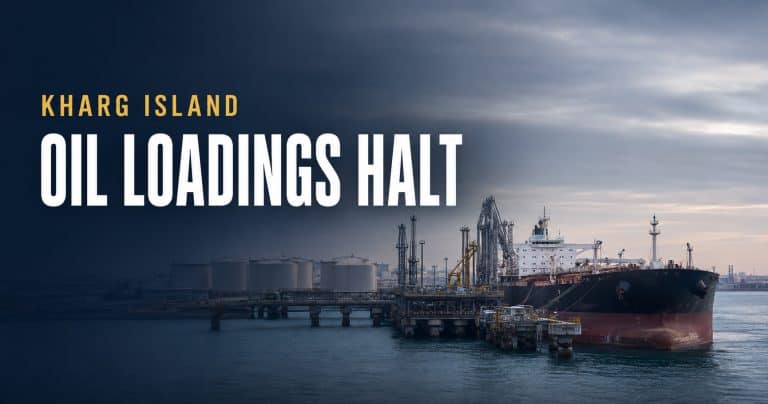
For the moment, Kharg Island’s oil infrastructure remains operational and no new attack on the terminal has been independently confirmed.
But the latest developments show that Kharg remains one of the most important pressure points in the conflict. Whether the next stage involves sanctions, negotiations or renewed military action, the island will continue to sit at the center of the struggle over Iran’s economy and the future of Persian Gulf energy exports.