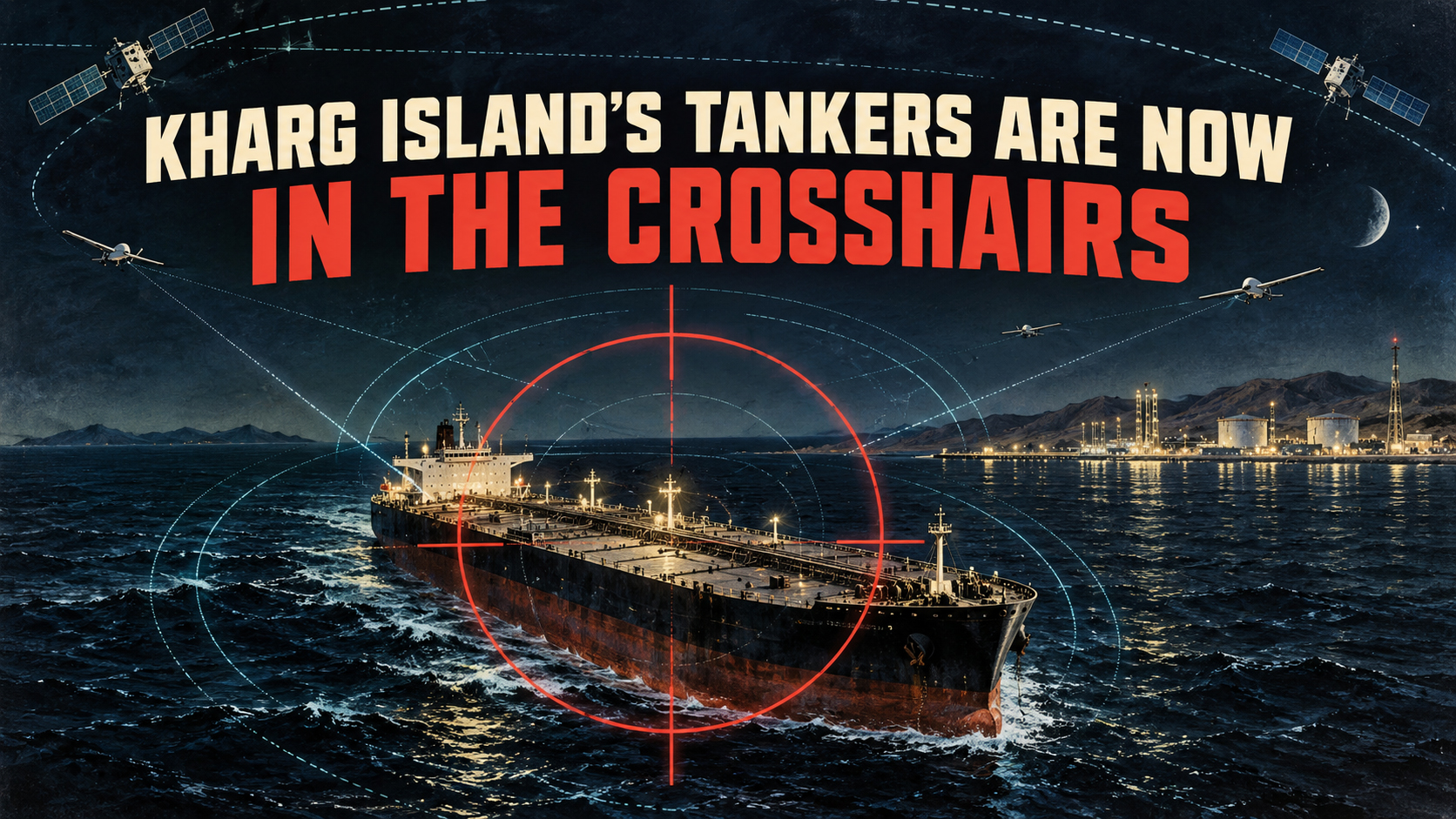
Kharg Island’s Tankers Are Now in the Crosshairs
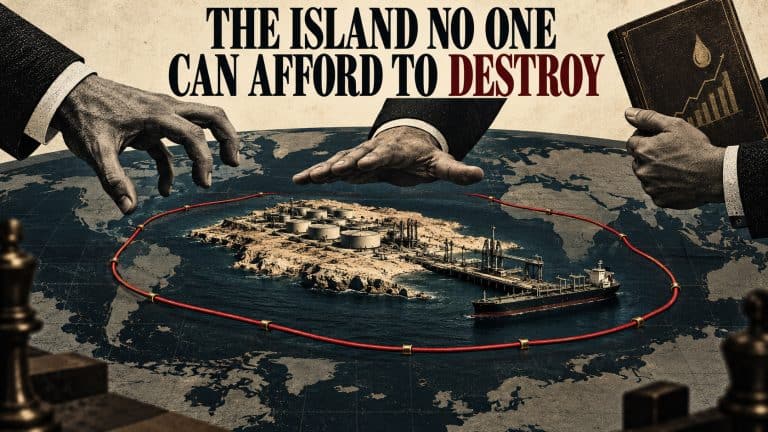
Kharg Island’s oil terminals are still standing. The sanctuary surrounding them, however, is disappearing.
U.S. forces have resumed attacks against Iranian oil tankers, including vessels operating near Kharg Island and Jask. Iranian media acknowledged explosions in both areas, while American officials described the targeted vessels as part of an oil network connected to Iran’s Islamic Revolutionary Guard Corps.
This is an important distinction: there is currently no confirmed report that the principal oil-loading terminals, pipelines or storage tanks on Kharg Island were struck in this latest round of attacks.
But Washington may not need to destroy those facilities to place Iran’s export system in mortal danger.
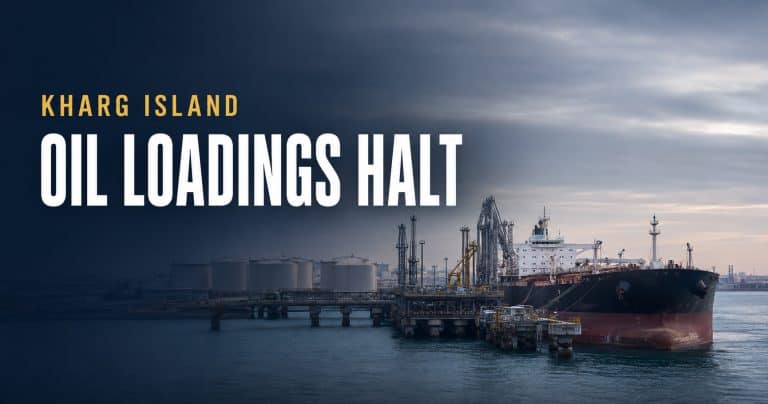
A terminal without tankers is merely an expensive monument to oil that cannot be sold.
The Tanker War Reaches Kharg Island
According to Reuters, U.S. forces attacked Iranian tankers following an Iranian attempt to strike an American warship. Iranian reporting confirmed that vessels were hit near Kharg Island and in the Gulf of Oman.
The attacks represent something more consequential than another exchange of missiles.
For months, the question surrounding Kharg Island has been whether the United States would directly attack Iran’s most important oil-export hub. Its terminals have survived previous strikes that targeted military installations elsewhere on the island.
The latest operation suggests another strategy may be emerging: leave the terminal standing while making the waters around it too dangerous for Iran’s oil fleet to operate normally.
Every barrel exported through Kharg must eventually leave aboard a ship. If those ships can be tracked, intercepted or destroyed, the terminal itself becomes increasingly isolated.
Oil may continue flowing into its storage tanks. Getting that oil to a buyer is another matter.
Kharg Island Does Not Need to Be Destroyed to Be Neutralized
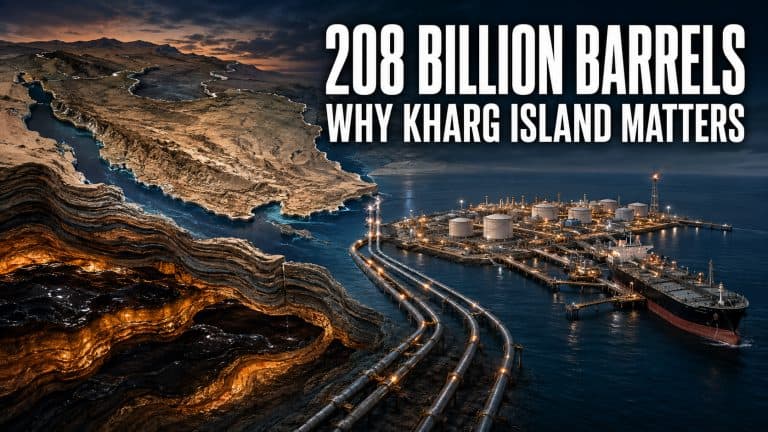
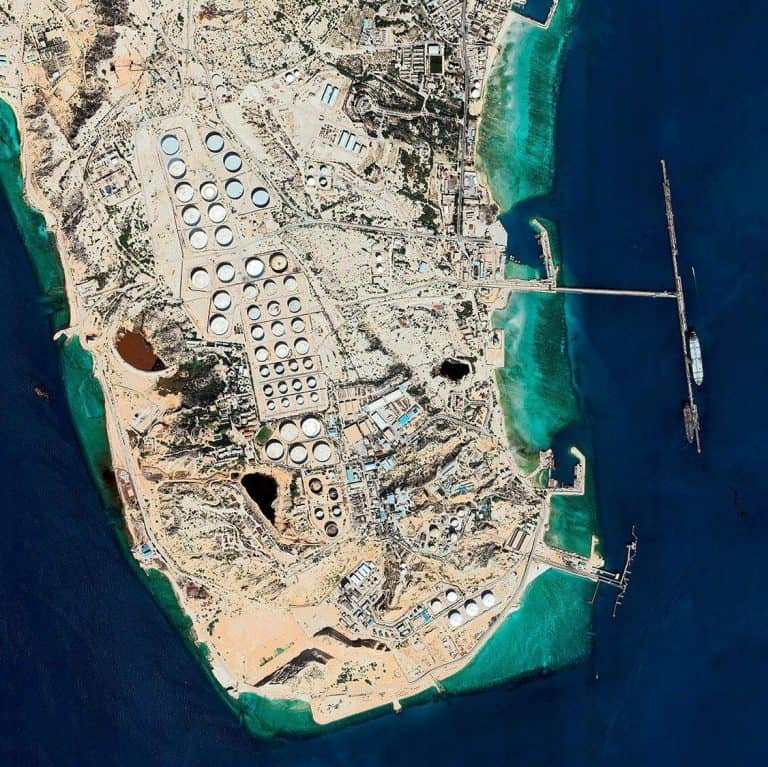
Kharg Island has long been described as Iran’s economic jugular. The island historically handles the overwhelming majority of the country’s seaborne crude exports and connects Iran’s inland oil fields to customers abroad.
Its vulnerability is normally discussed in physical terms: loading berths, storage tanks, pipelines and pumping stations.
But the system also depends upon several things that cannot be seen in satellite photographs:
- Tankers willing and able to approach the island
- Crews prepared to enter a combat zone
- Insurers willing to accept the risk
- Buyers capable of receiving sanctioned Iranian crude
- Payment networks capable of moving the revenue
An attack against any one tanker does not shut down Kharg Island. A sustained campaign against the shipping network serving it could produce a similar result over time without setting the entire terminal ablaze.
That possibility may explain why the latest tanker attacks matter far beyond the number of vessels damaged or destroyed.
They challenge the assumption that Kharg Island’s infrastructure must be bombed before Iran’s export system can be crippled.
Iran Threatens a Wider Maritime Exclusion Zone
Tehran’s response indicates that it understands the stakes.
Iran has threatened tankers connected to Kuwait and Bahrain and announced plans for a new maritime exclusion zone in the Persian Gulf. Those warnings risk expanding the confrontation from a struggle over Iranian exports into a broader conflict involving the energy infrastructure of neighboring Gulf states.
The danger is no longer confined to one island or one country.
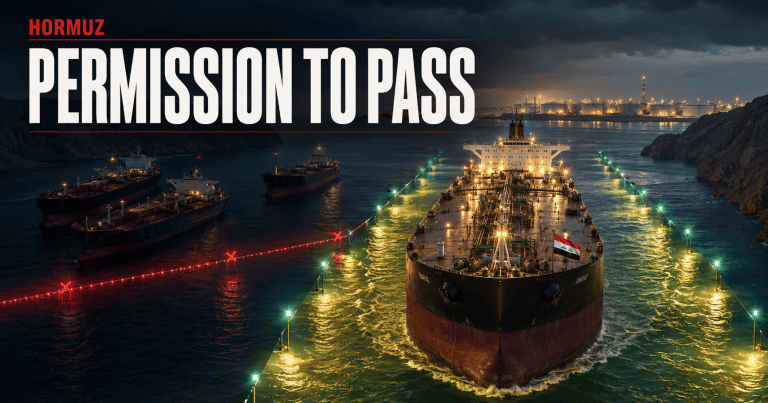
Iran can threaten shipping through the Strait of Hormuz. The United States can target vessels supporting Iran’s oil trade. Iran-aligned forces can attack energy facilities elsewhere in the region. Each side can impose costs without immediately launching an all-out assault on the other’s largest installations.
That is not stability. It is escalation conducted one ship, refinery and exclusion zone at a time.
Saudi Oil Facilities Are Also Under Fire
The tanker strikes came alongside another dangerous expansion of the regional conflict.
Iran-aligned Houthi forces launched missiles and drones against cities and energy facilities in southern Saudi Arabia. The attacks reportedly wounded 73 people and caused fires at oil-related installations, according to a separate Reuters report.
This creates a much larger strategic picture.
Iran’s export network is being attacked near Kharg Island. Saudi energy facilities are being targeted from Yemen. The Strait of Hormuz remains dangerously disrupted. Kuwait and Bahrain are now being threatened.
What began as pressure against Iran is increasingly becoming a contest over the energy architecture of the entire Gulf.
Oil Prices Are Approaching $100 Again
Markets have noticed.
Brent crude reached approximately $98 per barrel on September 8, while West Texas Intermediate climbed above $93. Both benchmarks reached six-week highs as traders reacted to the tanker strikes, attacks on Saudi facilities and the possibility of a prolonged regional supply disruption. Reuters
The psychological importance of $100 oil should not be underestimated.
That threshold affects far more than gasoline prices. Sustained increases in crude can raise transportation, manufacturing, agricultural and consumer costs around the world. Diesel and shipping costs are especially capable of spreading inflation through nearly every physical supply chain.
The United Nations Conference on Trade and Development has warned that continuing disruption around Hormuz could disproportionately damage smaller businesses that lack the financial cushion to absorb higher energy, transportation and financing costs. UN Trade and Development
A missile launched in the Persian Gulf does not remain a regional event once its cost appears on freight invoices, grocery shelves and utility bills.
Is Kharg Island Itself Next?
The most important question is not whether Kharg Island has been destroyed. It has not.
The question is whether the latest attacks are the beginning of a deliberate campaign to isolate it.
If tanker strikes continue, Iran will have to decide how aggressively it is prepared to defend the vessels entering and leaving Kharg. The United States must decide whether pressure against individual ships is sufficient or whether the terminal’s physical infrastructure will eventually become a target.
The most dangerous threshold would be crossed if attacks move from vessels near the island to Kharg’s loading berths, storage tanks, pipelines or pumping facilities.
Such an attack could cause lasting damage to Iran’s ability to export oil, introduce severe environmental risks and provoke retaliation against energy infrastructure across the Gulf.
For now, the terminal remains intact.
But the war has reached the tankers that give it purpose. Kharg Island may not yet be under direct assault, but it is no longer safely behind the front line.